Nutrición
On a gran fondo lasting more than five hours in the saddle, nutrition stops being a detail and becomes the factor that decides whether you finish strong or run out of fuel on the last climb. Here's a practical guide to planning what to eat before, during and after the ride, plus the high-end products the pro peloton uses to sustain pace without digestive surprises.
Before the start
The 48 hours before the ride shape your glycogen stores. Increase the proportion of quality carbohydrates in your last two meals (rice, pasta, fruit) and avoid experimenting with new foods. On the morning of the ride, eat breakfast 2.5 to 3 hours before the start with an easily digestible, low-fibre meal, and finish hydrating with electrolytes in the final hour so you start with full tanks.
During the ride
From the first hour onward, aim for 60 to 90 g of carbohydrates per hour on long events, combining hydrogel gels with solid bars so you don't overload your stomach with a single format. Alternate a gel every 40-45 minutes with a bite of a bar at feed stations, and don't wait until you're thirsty: drink electrolytes regularly, especially if the ride takes place in summer or in the heat.
Afterwards: recovery
In the first 30 minutes after crossing the finish line, the most effective metabolic window opens to replenish glycogen and repair muscle fibre. Aim for a 3:1 or 4:1 ratio of carbohydrates to protein, rehydrate with electrolytes to offset sweat losses, and leave the full meal for the following hour, once your body has started absorbing the first nutrients.
Common mistakes to avoid
Trying a new gel or bar on the day of the ride is the most common mistake, and the one that causes the most dropouts due to digestive discomfort. Other frequent errors: waiting until you feel hungry or thirsty to eat and drink, concentrating all your intake at feed stations instead of spacing it out, and neglecting sodium on hot rides, which favours cramps even with good water intake.
Recommended products
Enervit
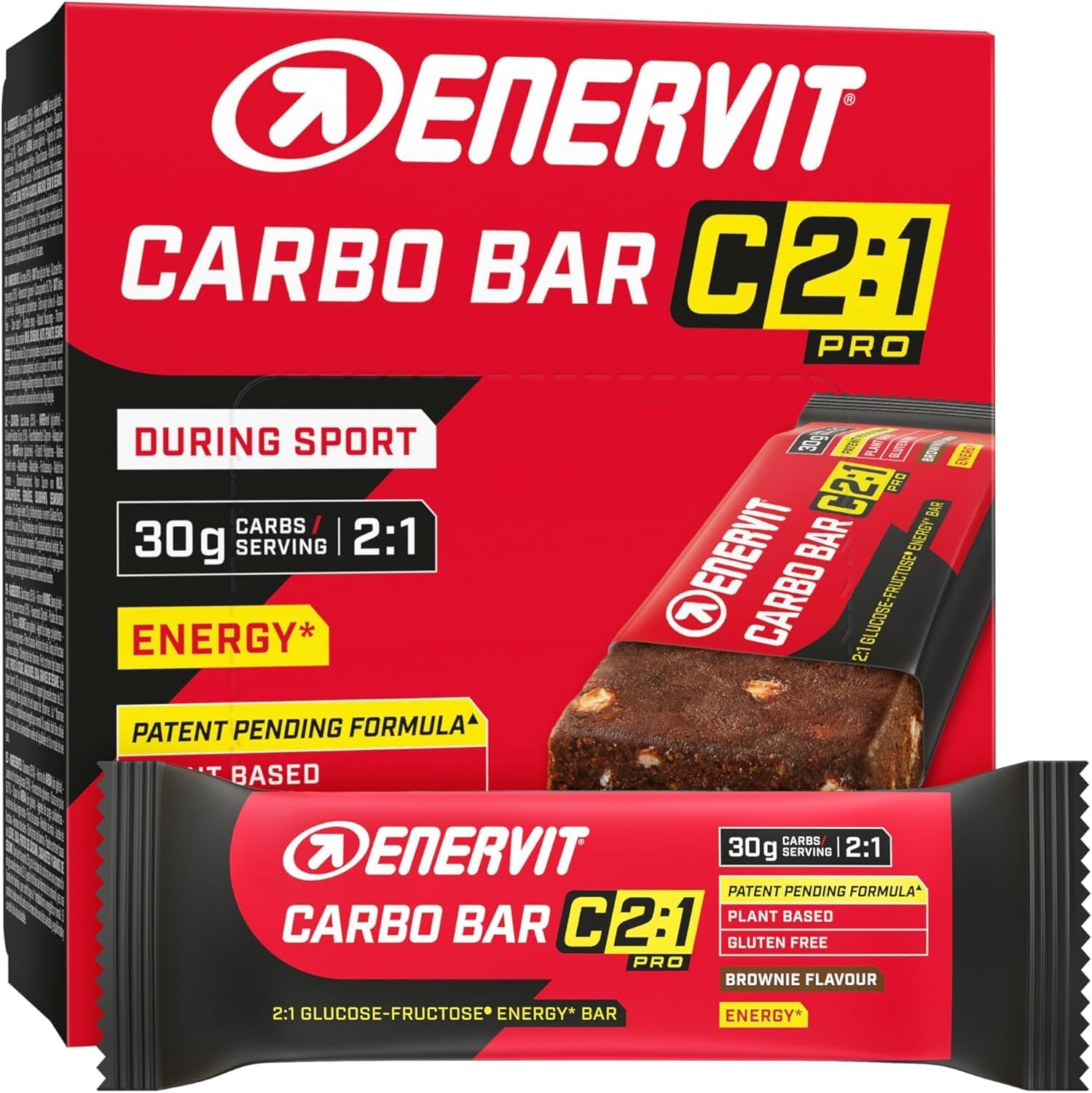
Enervit Carbo Bar C2:1 Pro
Energy bar with a patented 2:1 glucose-fructose ratio (30 g of carbohydrates per serving), plant-based and gluten-free. The Italian brand of reference in European road cycling, used by WorldTour teams.
View on Amazon →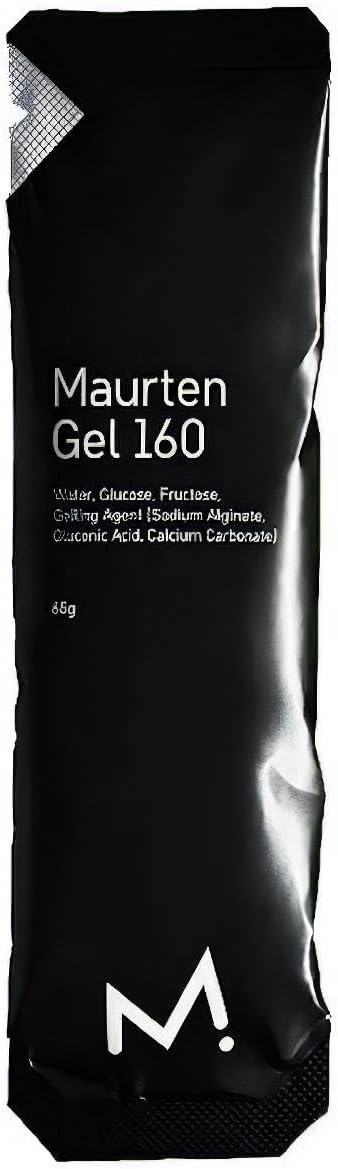
Maurten
Maurten Gel 160
The gel of choice in the pro peloton: hydrogel technology encapsulating 40 g of carbohydrates per sachet for smooth absorption, even in the longest hours of a gran fondo.
View on Amazon →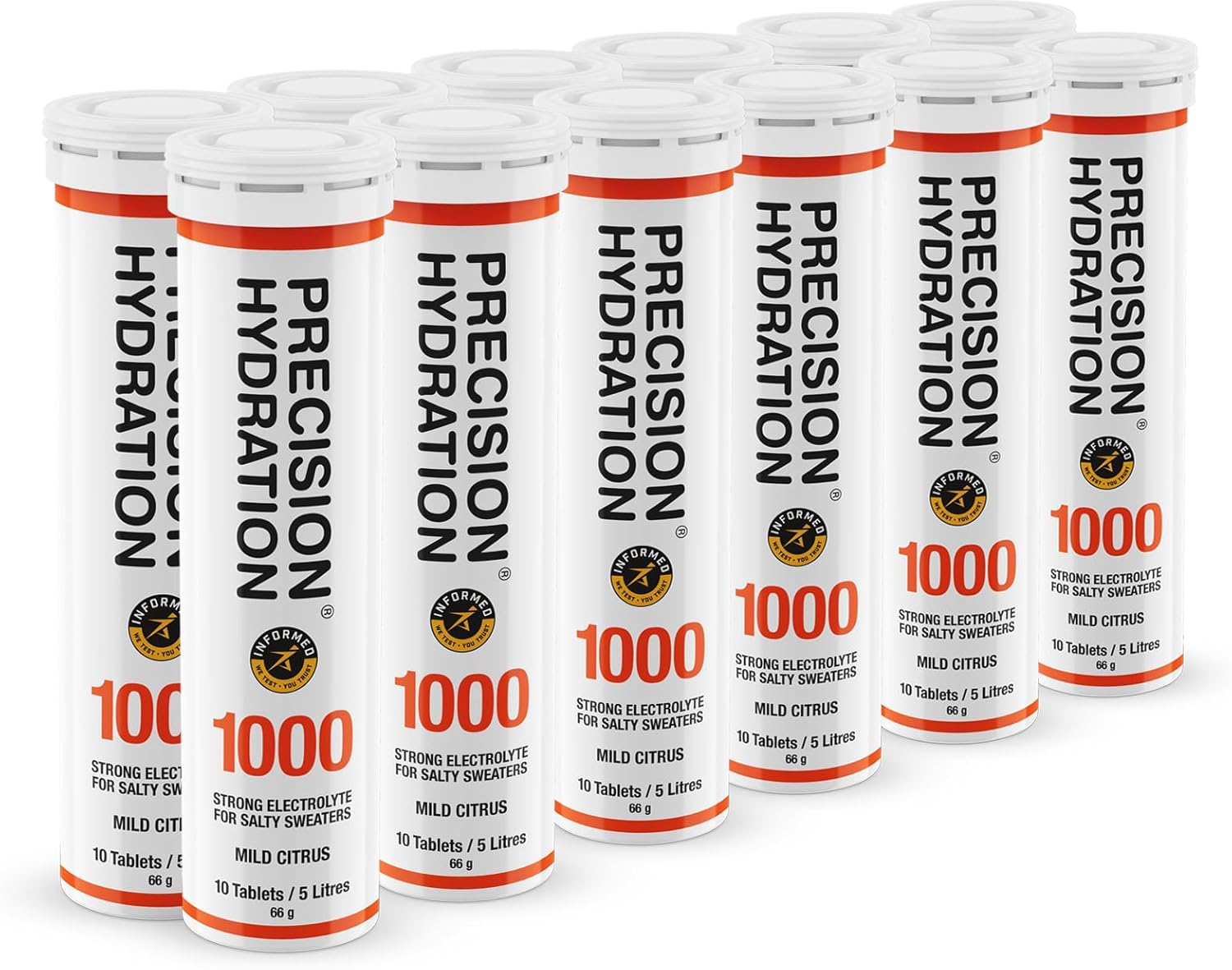
Precision Hydration
Precision Hydration 1000 Strong Electrolyte
High-concentration effervescent electrolyte tablets (1000 mg of sodium per litre), built for cyclists who sweat heavily during long, hot gran fondos. The go-to brand for endurance athletes who fine-tune hydration with real data.
View on Amazon →
Science in Sport
SiS Beta Fuel
A dual-source carbohydrate energy gel used by WorldTour teams, designed to maximise carbohydrate oxidation during long efforts without overloading the stomach.
View on Amazon →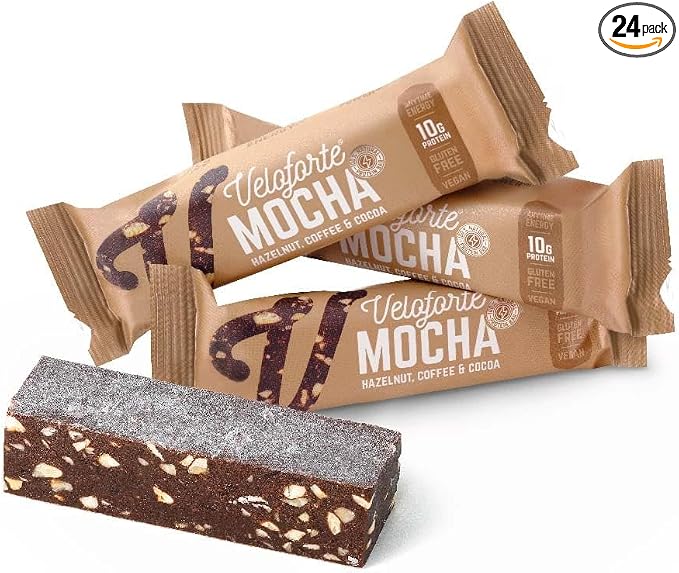
Veloforte
Veloforte Barra de Proteína Mocha
A 100% natural, plant-based protein bar with 10 g of complete protein, hazelnut, coffee and cacao. The British brand that turned sports nutrition into a lifestyle product for discerning cyclists.
View on Amazon →
Related gear guides
In-depth comparisons of the gear in this category, with specific picks by brand and model.
Events that include this service
Here's how this service fits into the real preparation for some of our events: see the reasoning for each one and open the full event page for the rest of the 360 Pack.
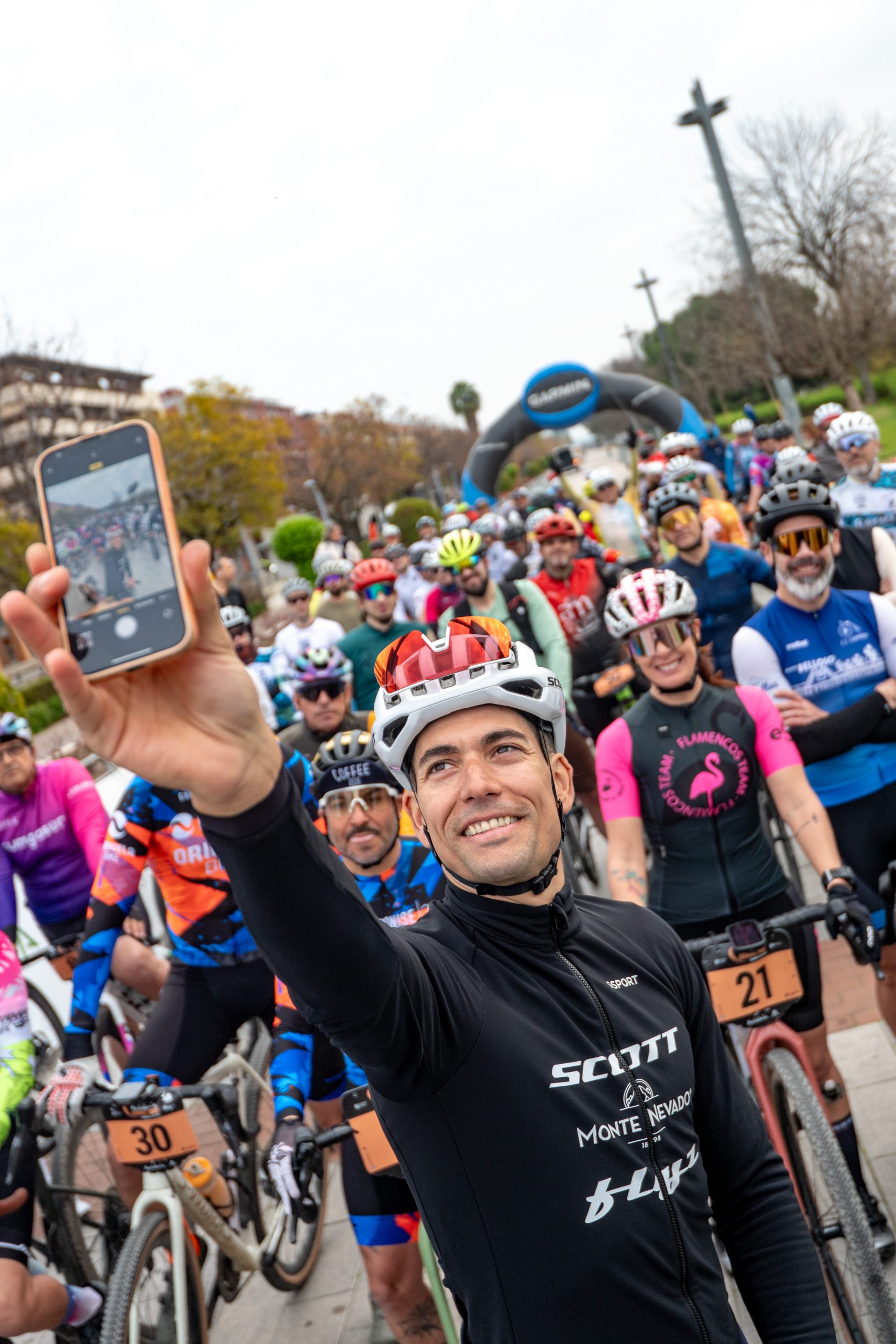
Andalucía Bike Race by Garmin
Granada
Six consecutive stages demand a recovery strategy between days that's as important as in-race nutrition; accumulated fatigue is the main enemy from stage 4 onward.
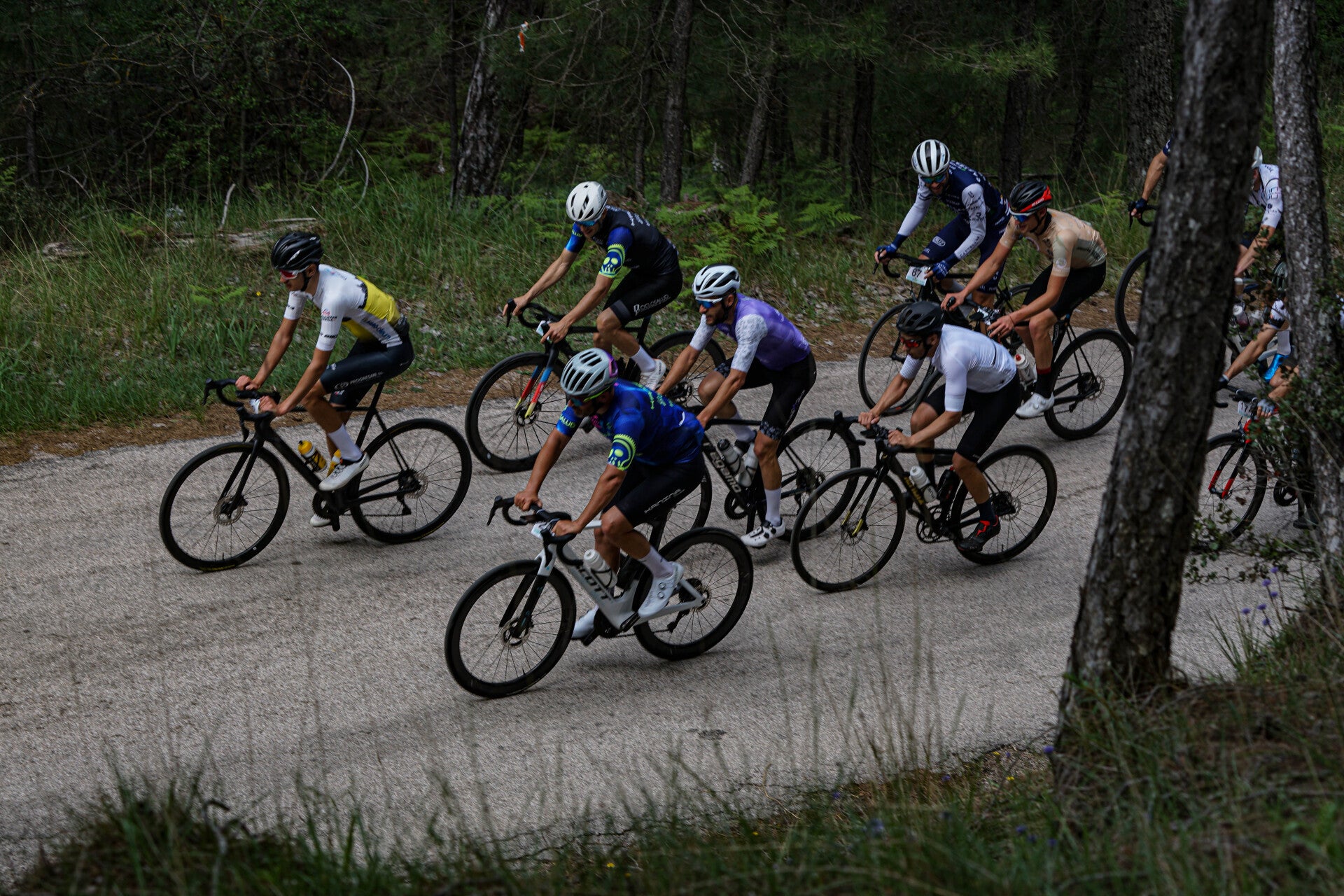
Clásica Sierra de Segura
Orcera
2,100 m of elevation gain in just 104 km means a demanding pace on the climbs; feed stations are spread along the route through the natural park.
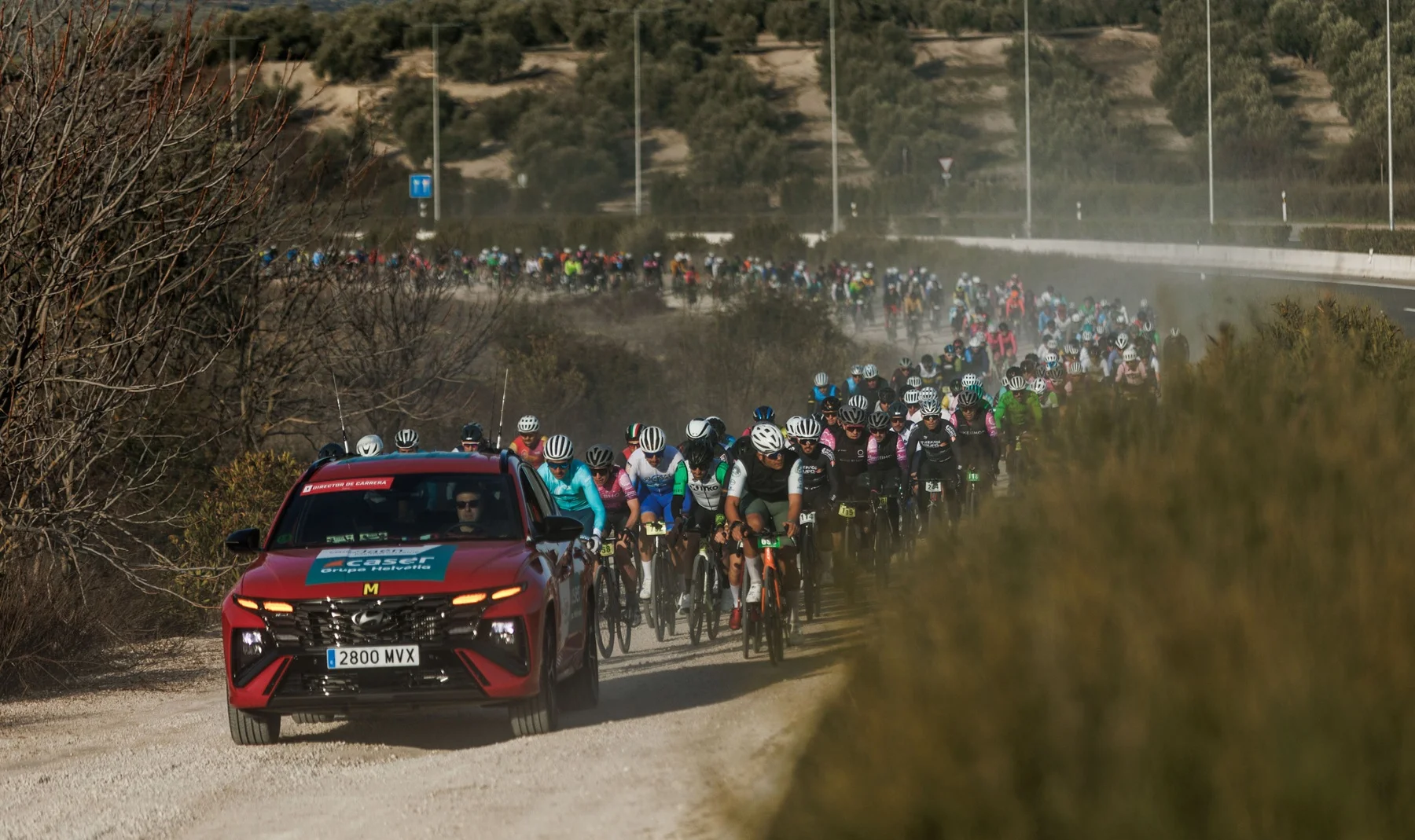
Gran Fondo Jaén Paraíso Interior
Úbeda
With 111 km and 1,590 m of elevation gain spread over short, constant ramps, it's worth pacing your intake carefully between the official feed stations.
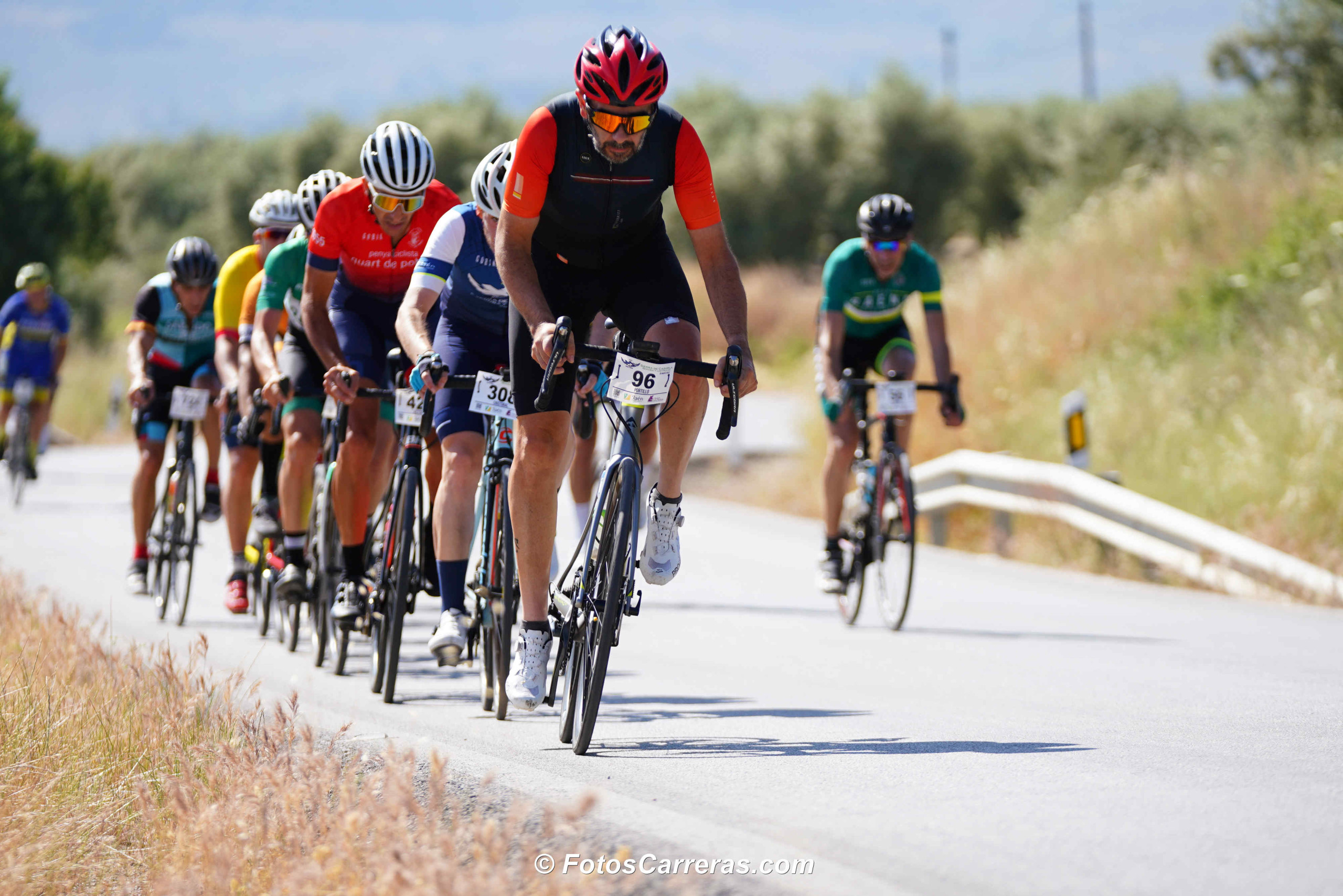
Granfondo Sierra de Cazorla
Cazorla
145 km and more than 2,000 m of climbing call for a solid fuelling strategy, especially ahead of the long Puerto de las Palomas climb.
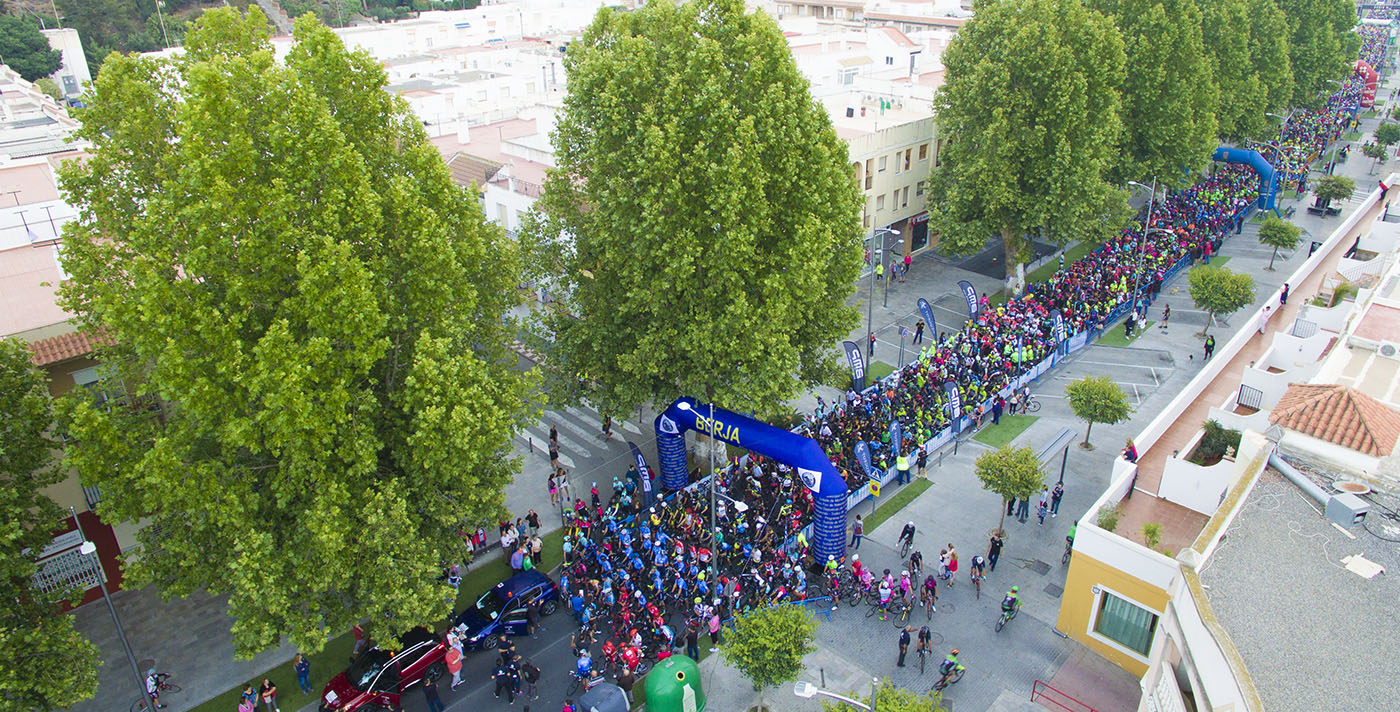
Marcha Cicloturista La Indomable
Berja
June heat in Almería raises hydration needs above what's typical for a 96 km ride; replacing salts matters as much as carbohydrates.
Sierra de Andújar Bike Maratón
Andújar
With two stages over two days and 1,600 m D+ concentrated in Sunday's marathon, recovery nutrition between stages matters as much as fuelling during the race.
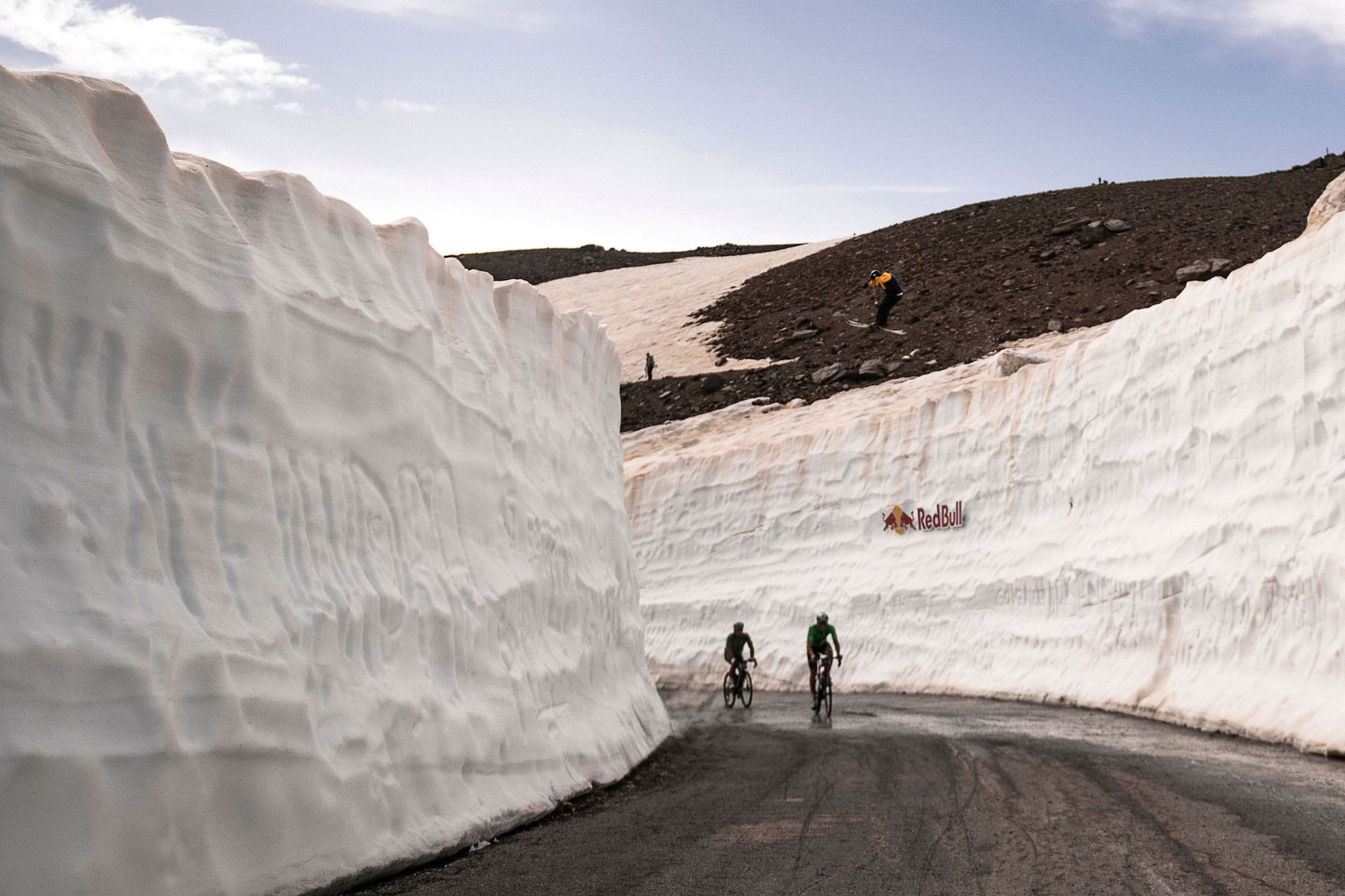
Sierra Nevada Límite Gran Fondo
Cenes de la Vega
Nearly 150 km with a long, sustained final climb demand careful energy management, especially in the last stretch where the gradient gives no break.
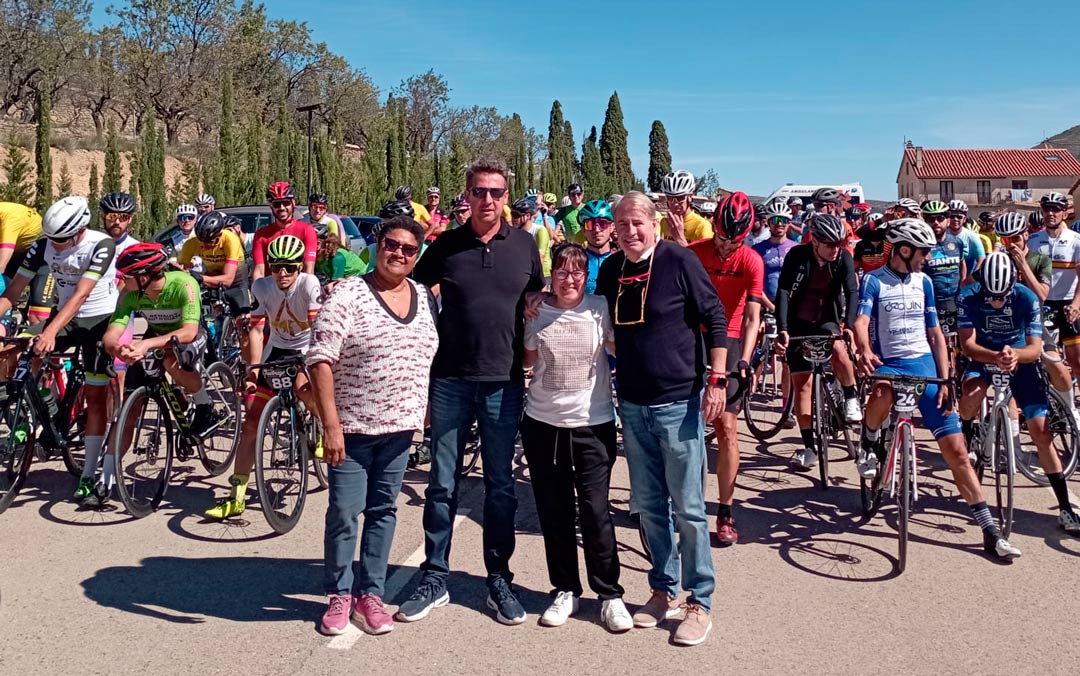
Cicloturista Maestrazgo
Cantavieja
With 80 km and several short climbs between villages, a simple fuelling strategy is enough, making use of the feed stations along the route.
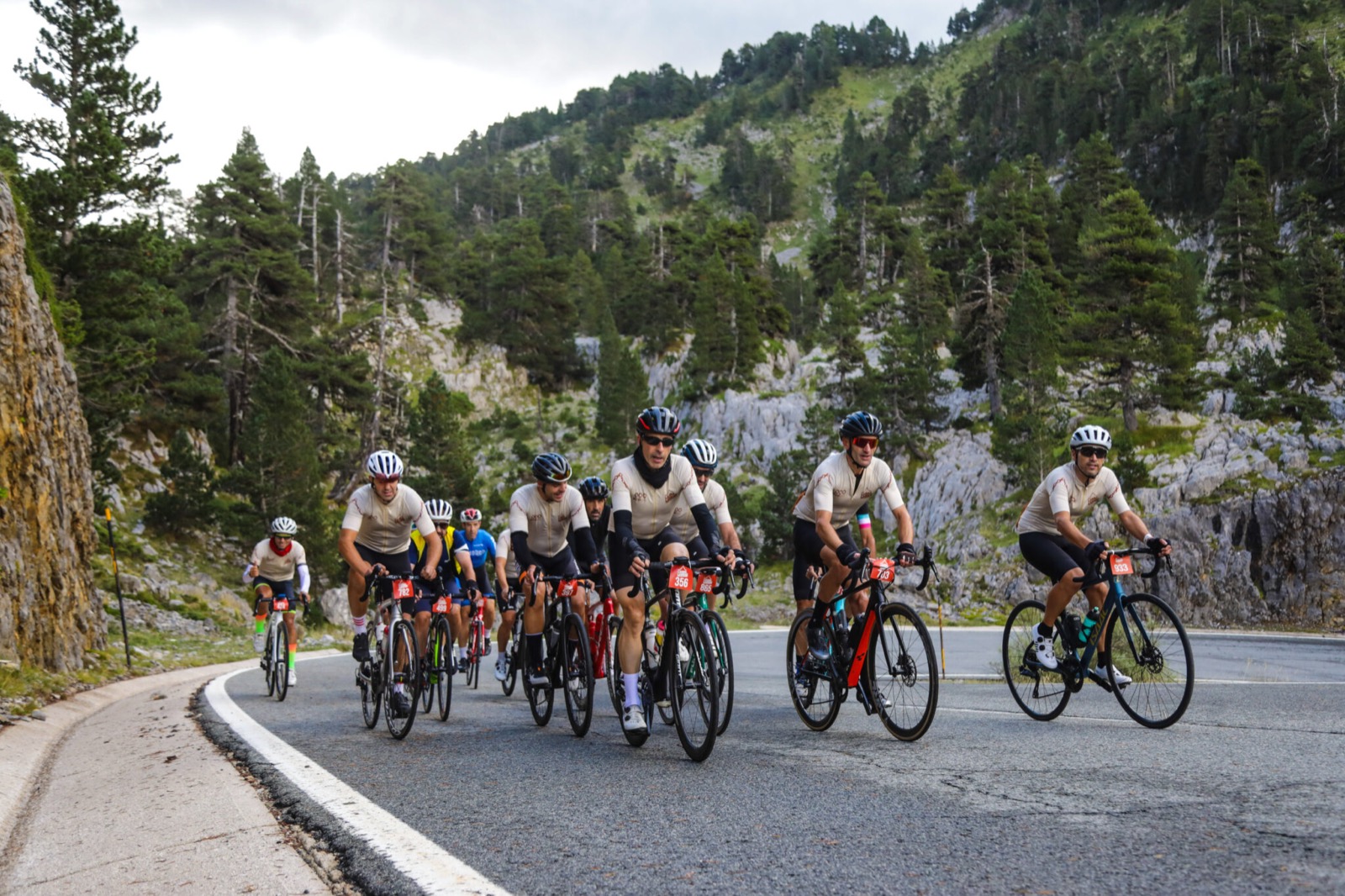
Quebrantahuesos
Sabiñánigo
With 3,500 metres of climbing and such a long day, the goal is a steady hourly carbohydrate intake and not reaching the Portalet on empty.
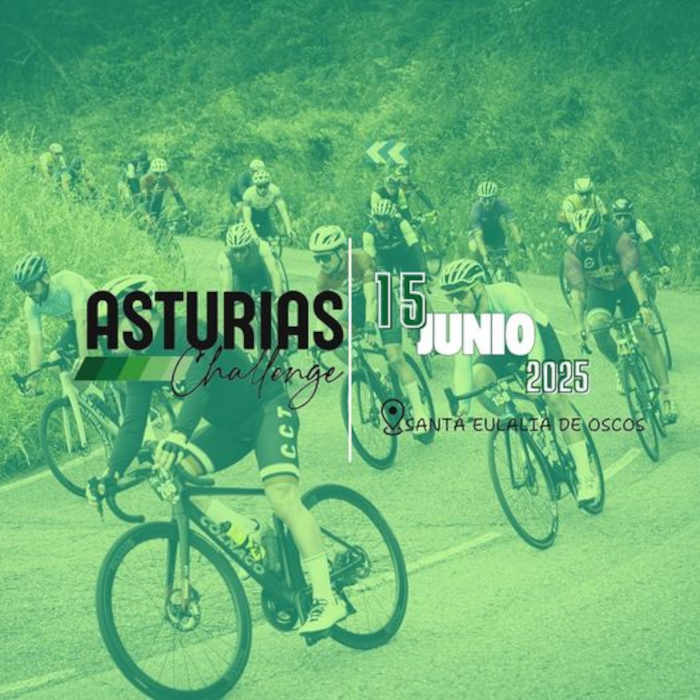
Prueba Cicloturista Oscos Granfondo
Santa Eulalia de Oscos
With over 2,500 m of accumulated climbing in 111 km, managing your energy is key to still having reserves for the final passes of the route.
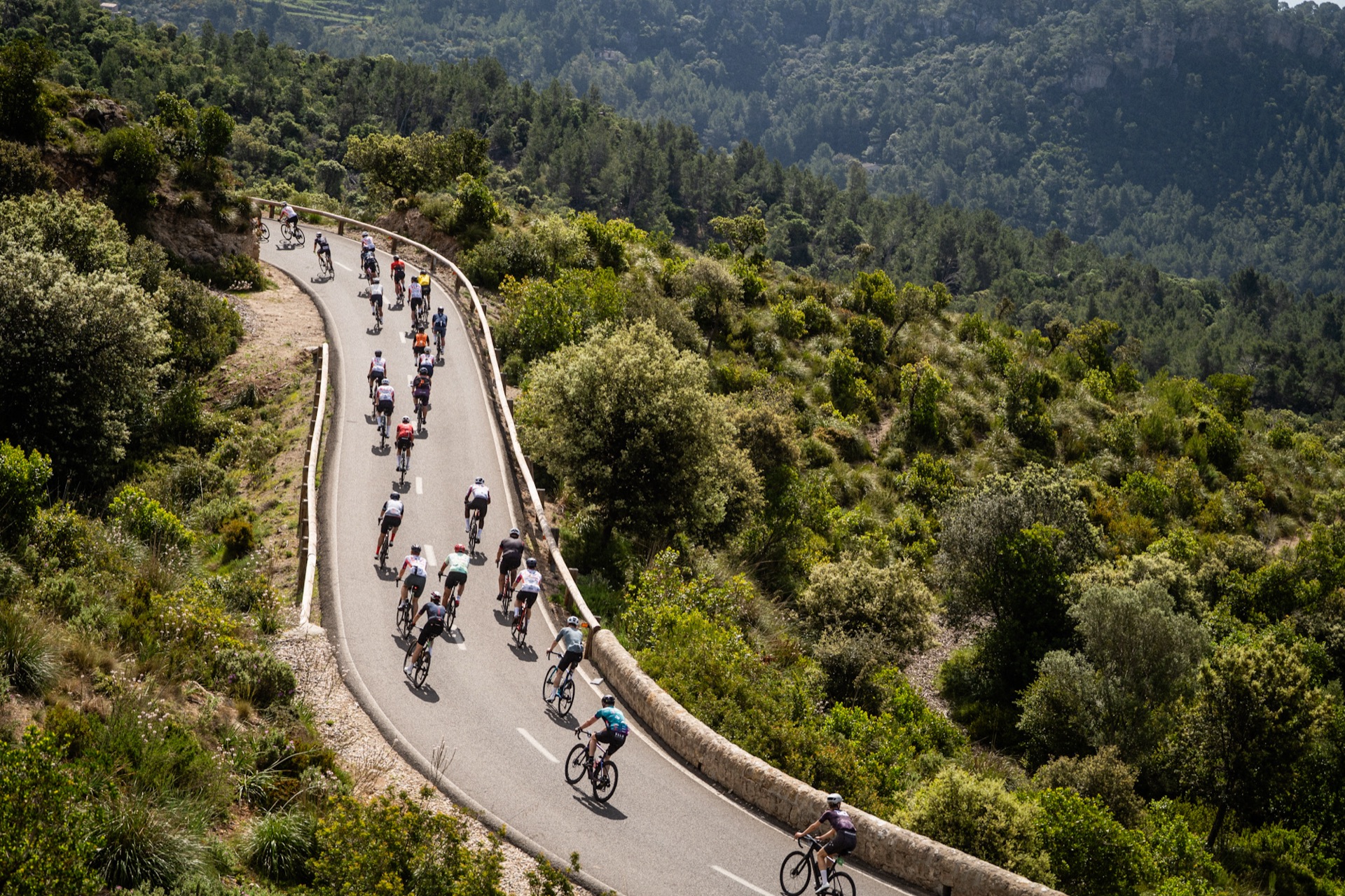
Mallorca 312
Platja de Muro
It's the longest single-day distance on the Spanish gran fondo calendar. The nutrition plan leaves no room for improvisation: without steady carb intake, you'll hit the wall before the final Tramuntana stretch.

Vuelta Cicloturista a Ibiza Campagnolo
Sant Antoni de Portmany
Here it matters as much to eat during the stage as to refuel between them. Arriving well recovered at day two makes the difference in the timed sectors.
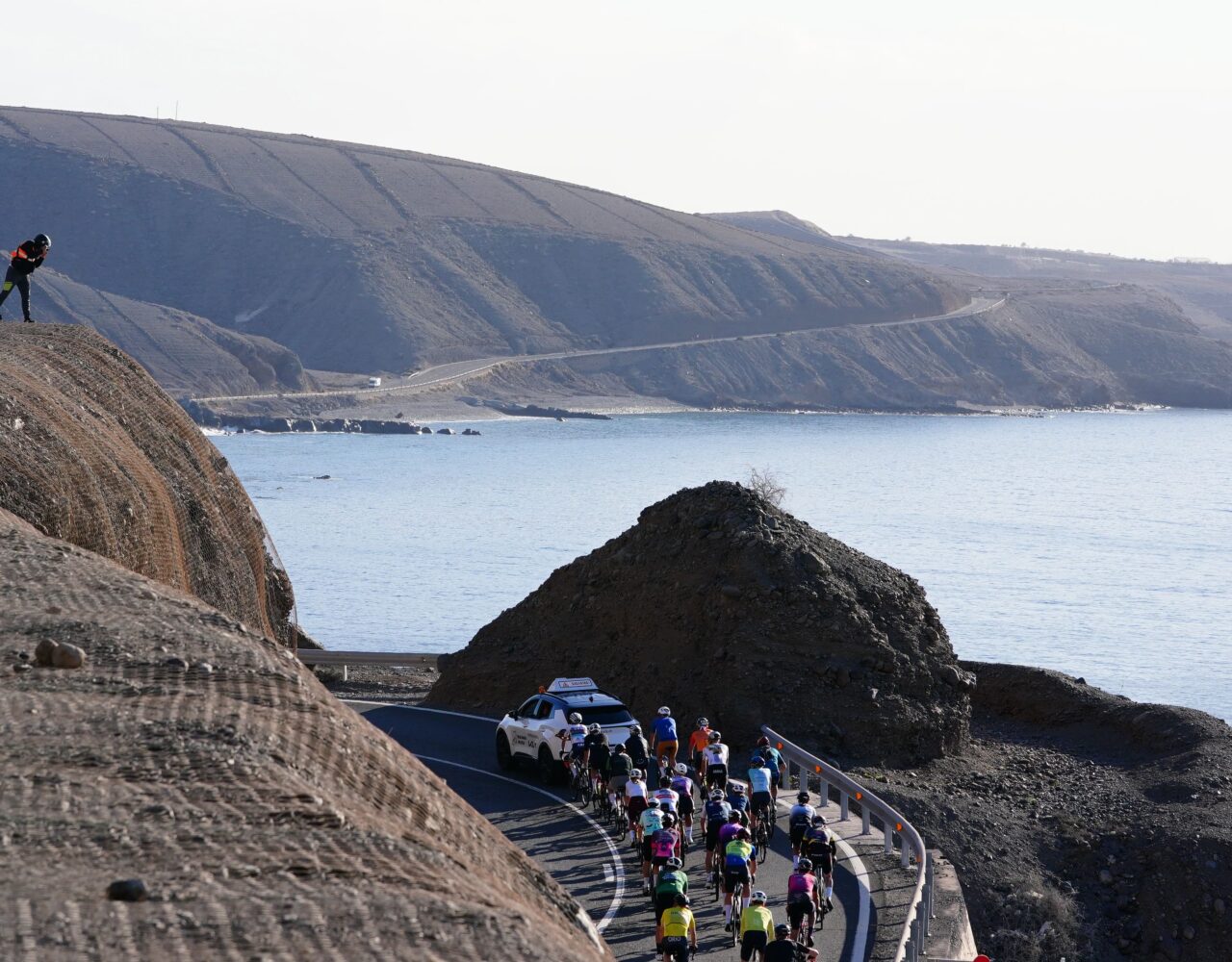
Gran Canaria Bike Week – La Cicloturista
Maspalomas
What decides a stage week is not a single day but recovering well each night so you can do it again: carbs and protein as soon as you get off the bike, eight days running.
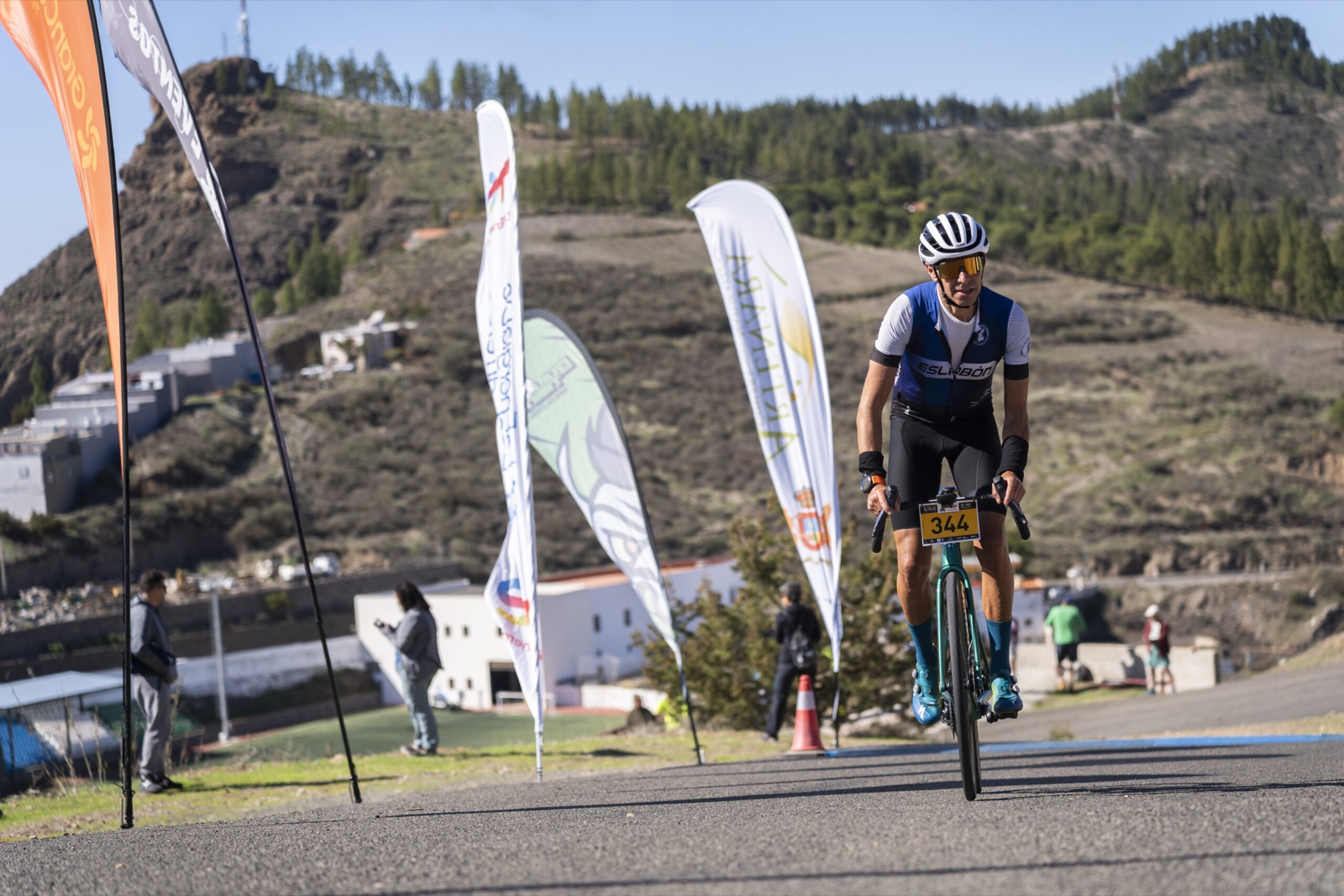
Gran Fondo Pico de las Nieves – Ciclismo a Fondo
Arucas
The sustained climb to Pico de las Nieves can last more than two hours without a break, so it is wise to carry your own food and not rely only on the organisation's feed stations.

La Tea Granfondo
San Andrés y Sauces
The 2,600 m+ of accumulated climbing over 91 km calls for a solid fuelling strategy, complementing the organisation's feed stations with your own gels or bars on the toughest sections.
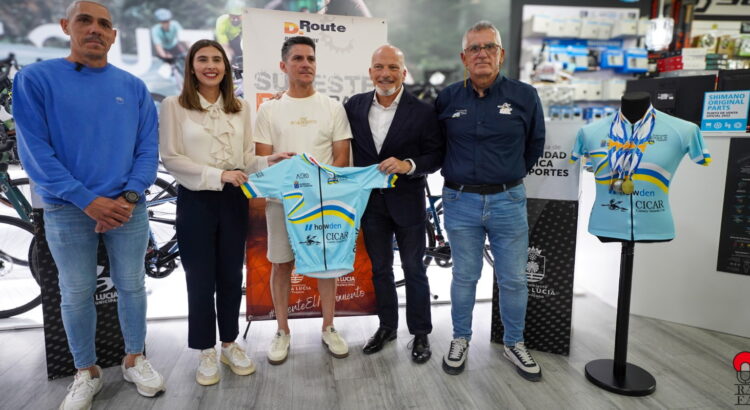
Sureste Bike Race
Santa Lucía de Tirajana
With 1,200 m of elevation gain over technical terrain, the pace is demanding from the start; feed stations are spread across the route through Vecindario, Ingenio and San Bartolomé de Tirajana.
La Cantabrona
Polanco
The Gran Fondo has no long passes, but the constant drip of short climbs is very draining. Eating early and regularly prevents bonking in the second half.
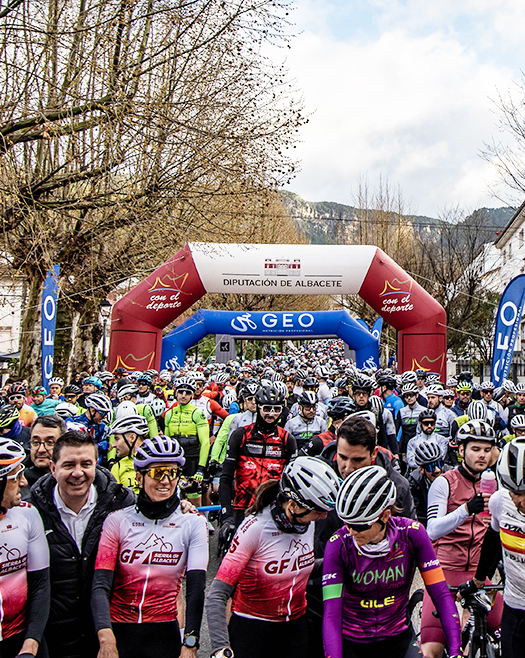
Gran Fondo Sierra de Albacete
Riópar
155 km and 3,000 m D+ mean several hours of intense effort; use the feed stations on course and plan your intake before the hardest ramps.
Marcha Cicloturista Pedro Delgado
Segovia
The long route stacks up four significant passes. The key is to eat early and regularly so you reach Canencia and Cotos with energy.
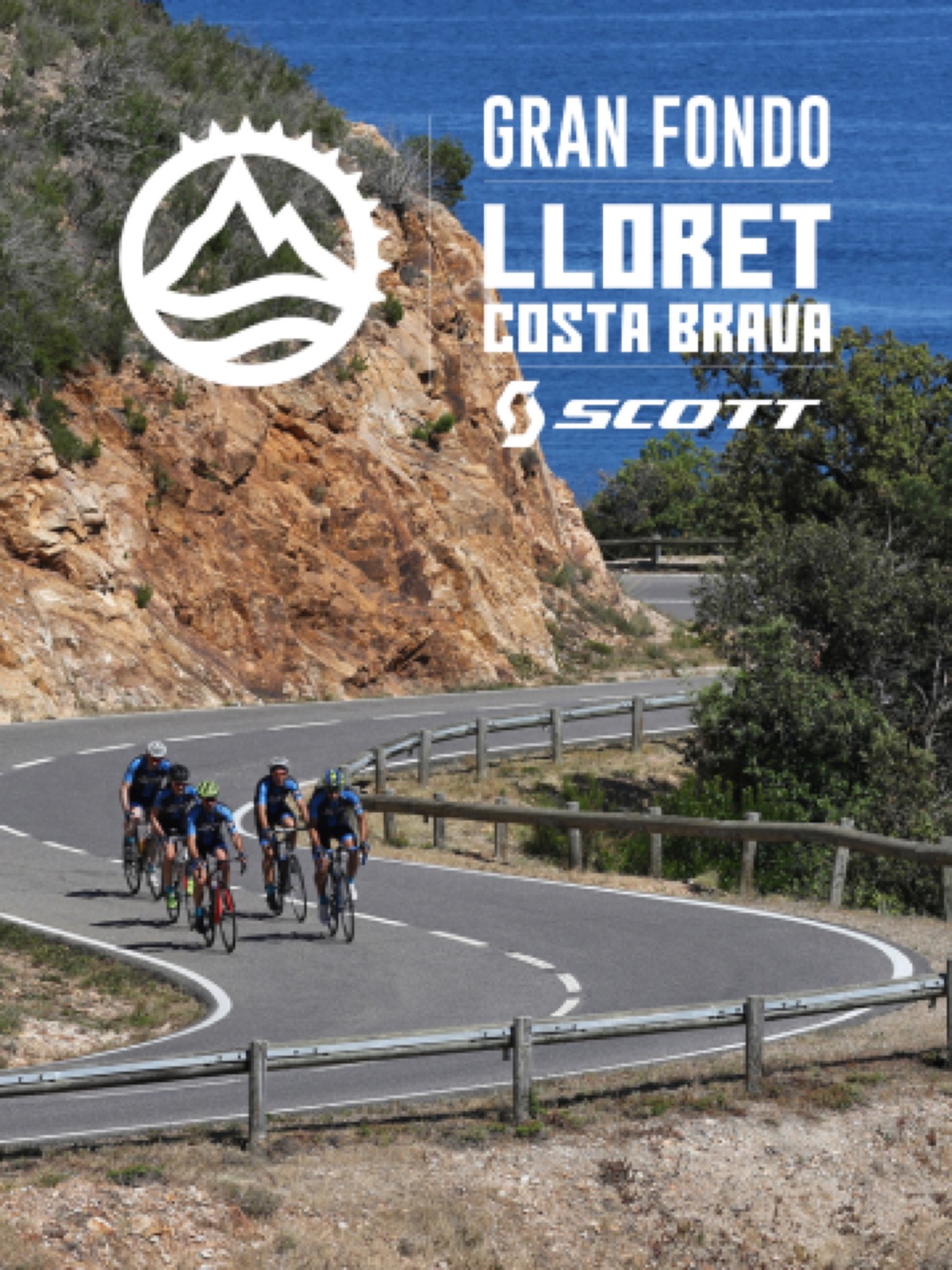
Gran Fondo Lloret Costa Brava
Lloret de Mar
The 160K route with 2,700 meters of elevation gain demands a solid fuelling strategy between climbs.

The Traka
Girona
On the 560km Adventure, feed logistics matter as much as training: it's over 24 hours of effort for many riders, including night sections.
Montsec-Montsec
Balaguer
The MM190 demands a solid fuelling strategy given the accumulated elevation gain and length of the event.
Mussara Salou Costa Daurada
Salou
The long route exceeds 3,000 meters of elevation gain, with the Mama Por climb as the most demanding section in terms of energy expenditure.
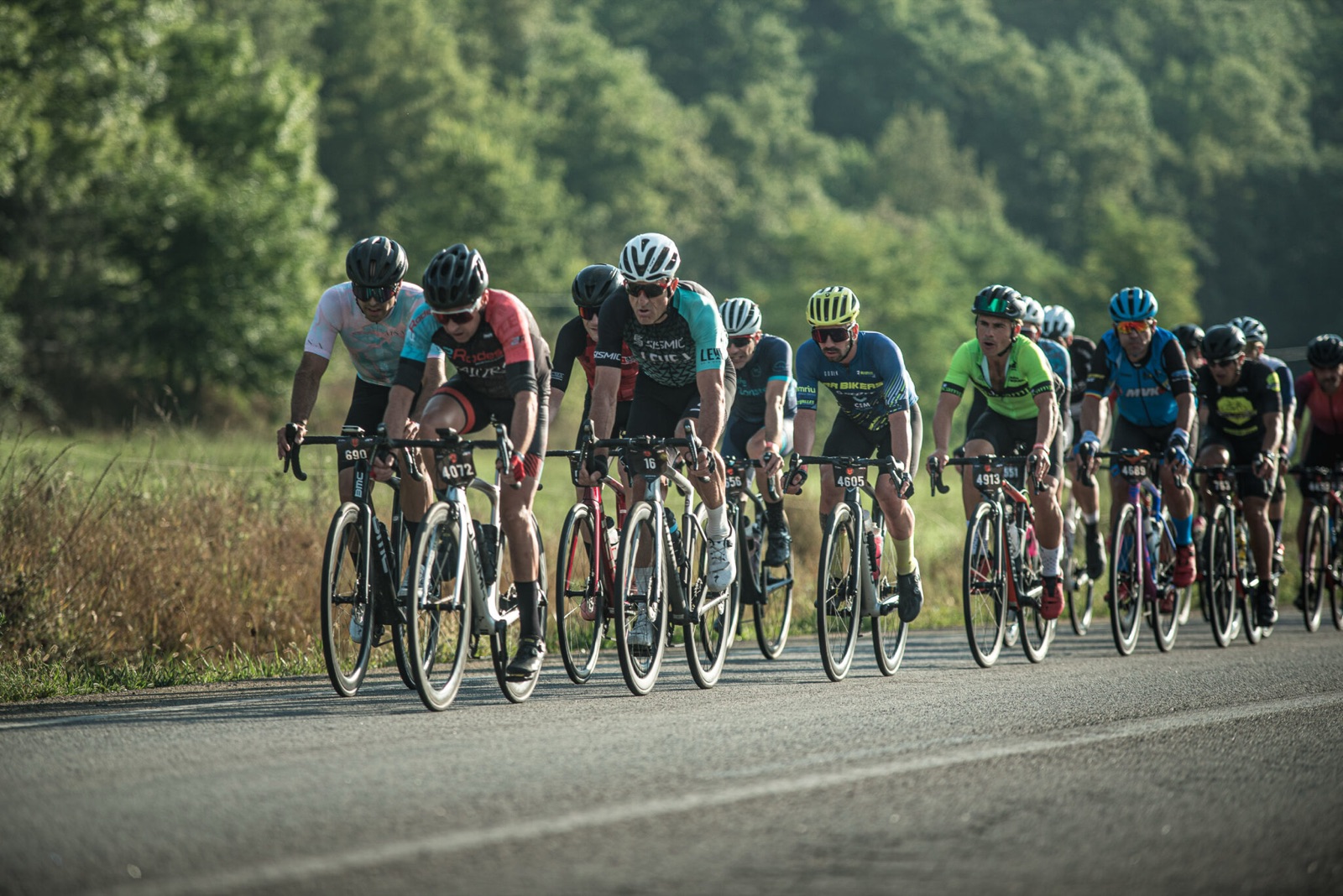
Terra de Remences · Energy Tools
Sant Esteve d'en Bas
The long route exceeds five hours of continuous effort, so it's worth planning around the official feed stations on the course.
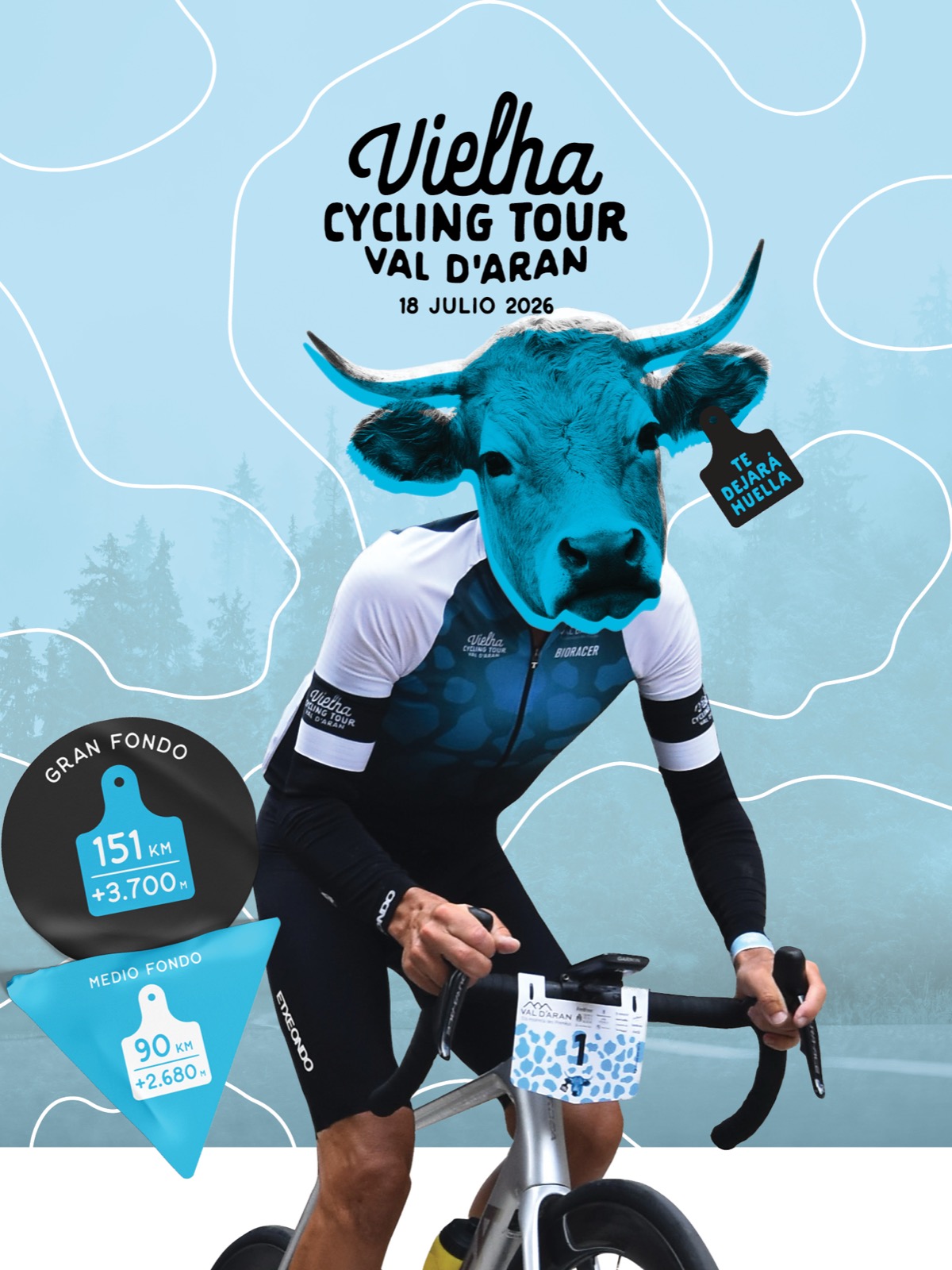
Vielha Cycling Tour
Vielha
The 150K route with 3,700 meters of climbing is one of the most demanding on the Catalan calendar and requires a solid fuelling strategy.
TotalEnergies Gran Fondo Alberto Contador
Oliva
162 km with over 2,000 m D+ demands a well-planned hourly carbohydrate strategy, making the most of the official feed stations on course.
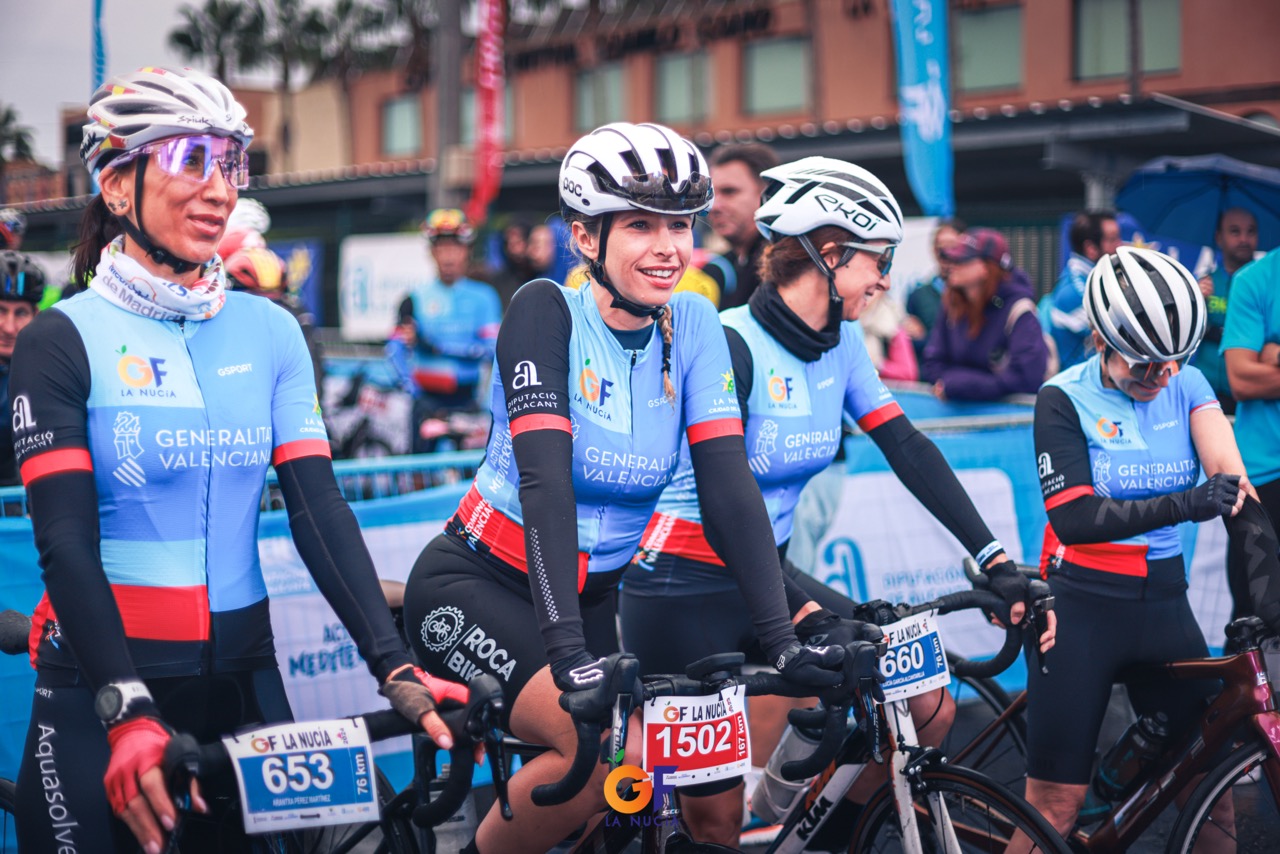
UCI Gran Fondo World Series La Nucía
La Nucía
At 132 km and 2,275 m+, most riders are out for 4 to 6 hours, long enough that you need to eat and drink from the start rather than wait for the official feed stations.
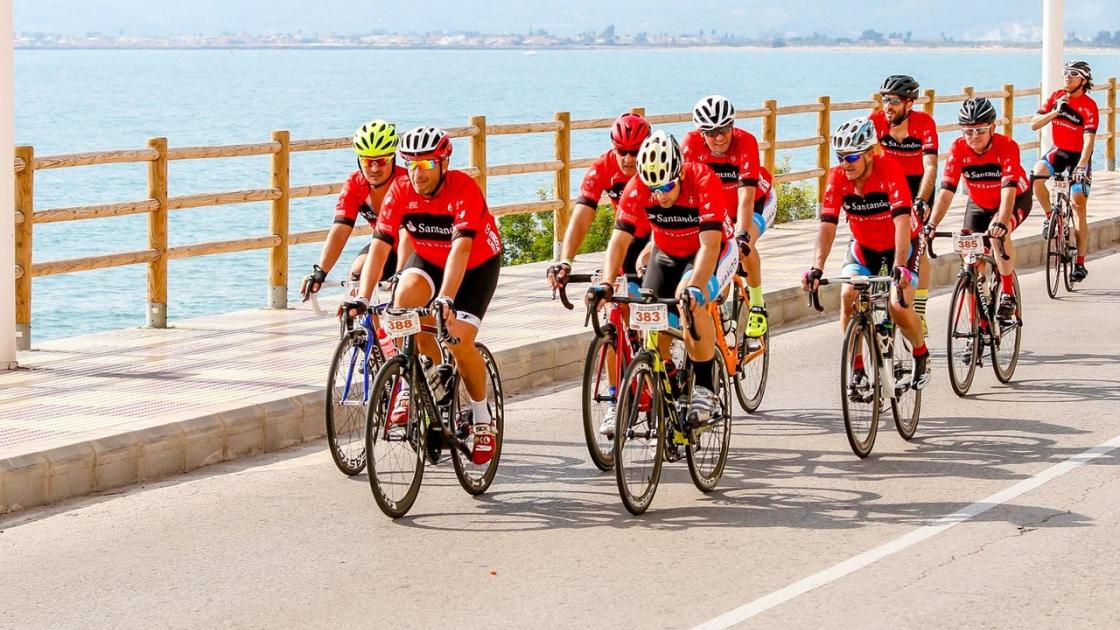
Gran Fondo Internacional por València
Valencia
177 km with over 2,000 m D+ demands a well-planned hourly carbohydrate strategy, making the most of the official feed stations on course.
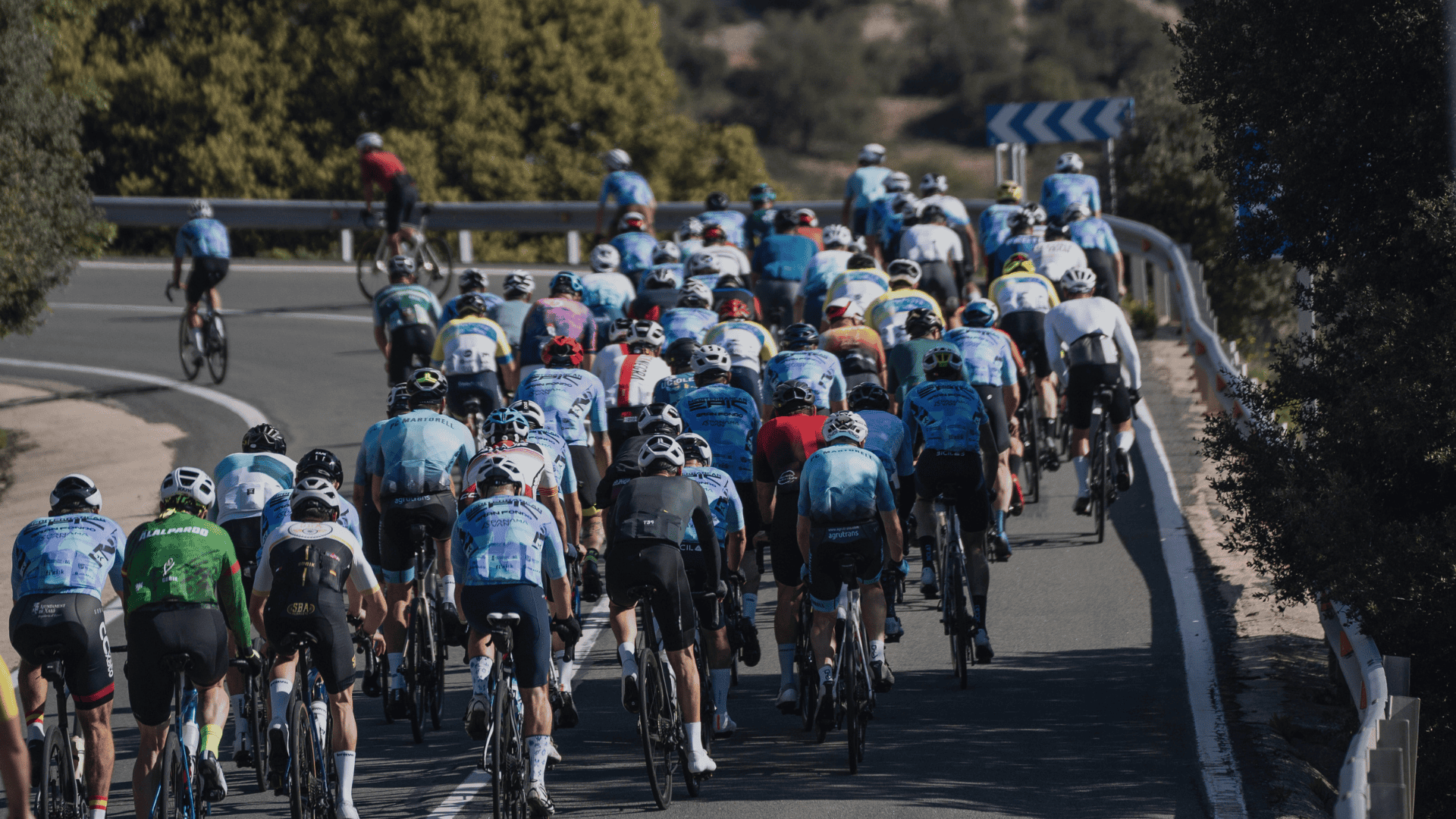
Mediterranean Epic Gran Fondo
Oropesa del Mar
196 km and 3,200 m D+ can mean more than 8 hours on the road, so a well-planned hourly carbohydrate strategy and making the most of official feed stations are key.
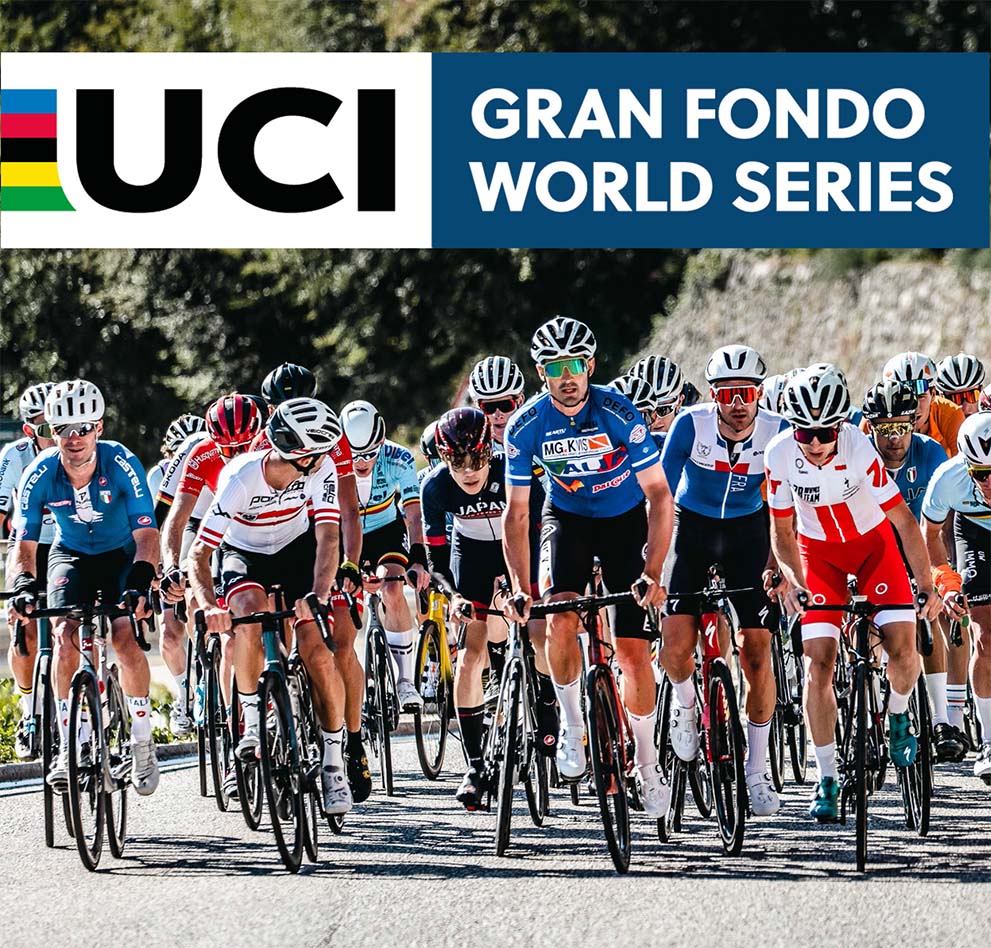
The Millars UCI Gran Fondo World Series
Castellón de la Plana
157 km with 2,200 m D+ at UCI race pace demands a planned hourly carbohydrate strategy, using the official feed stations.
Gran Fondo Ézaro
Dumbría
The 150 kilometres are a constant grind on the punchy coastal terrain. You need to eat steadily to reach the Ézaro wall in one piece.
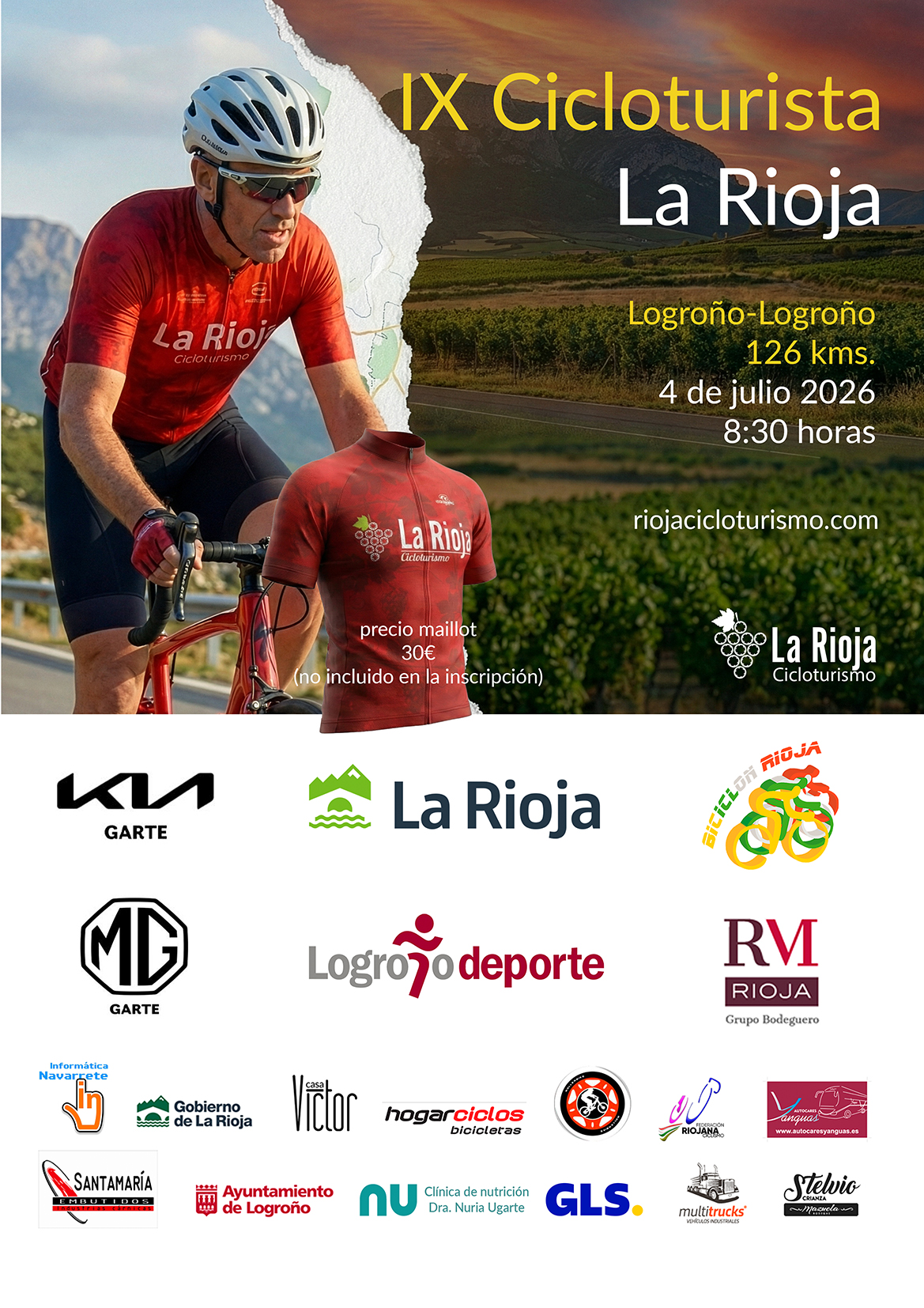
Cicloturista La Rioja
Logroño
The route has three feed stations, in San Millán de la Cogolla, Sotés and Logroño, enough to cover the 126 km.
La Rioja Bike Experience
Logroño
With three stages on consecutive days and one over 65 km with heavy elevation gain, nutritional recovery between stages matters as much as the race itself.
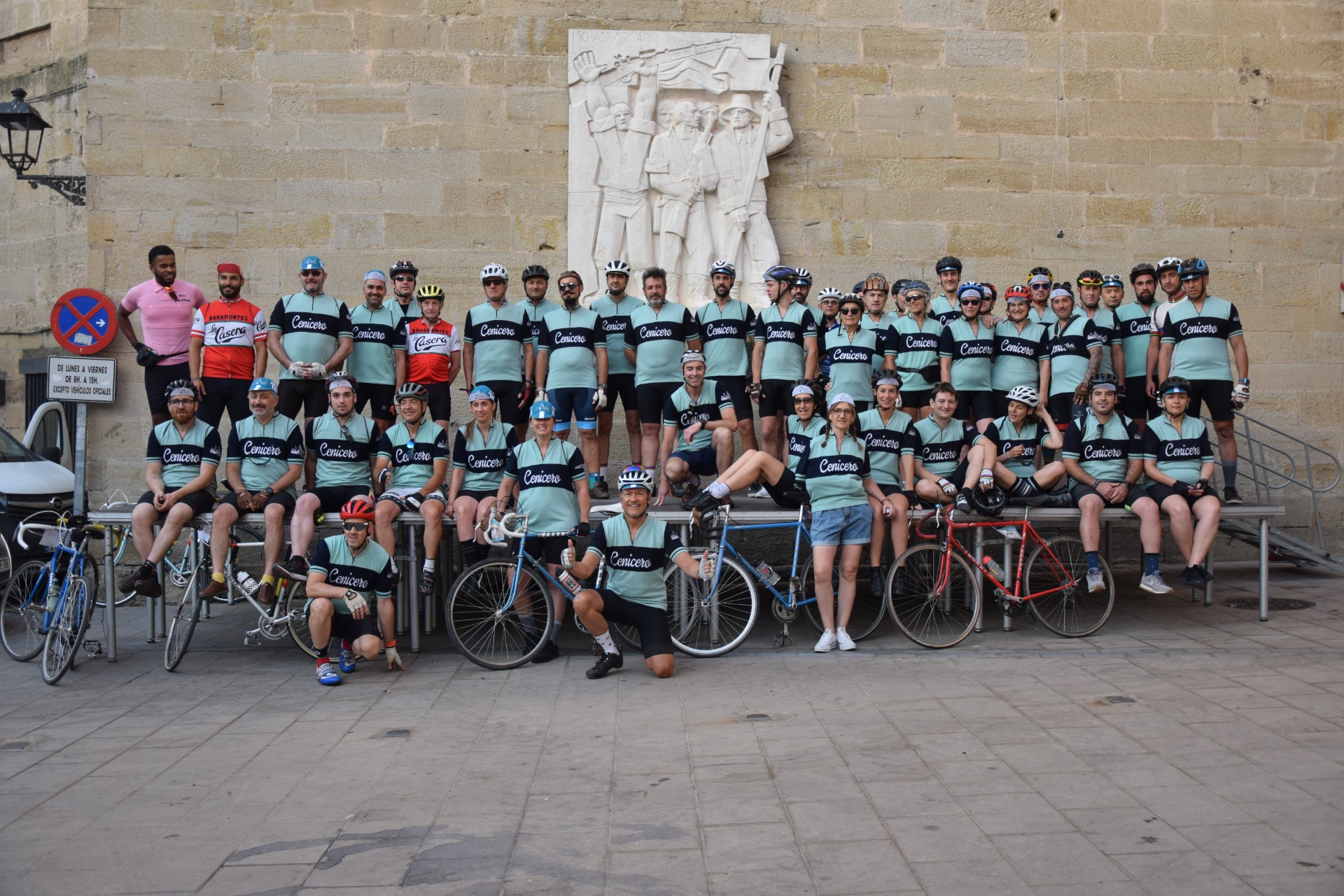
Rioja y Pedal
Cenicero
With 81 and 48 km routes without major demands, simple nutrition is enough, complemented by the event's typical stops at wineries.
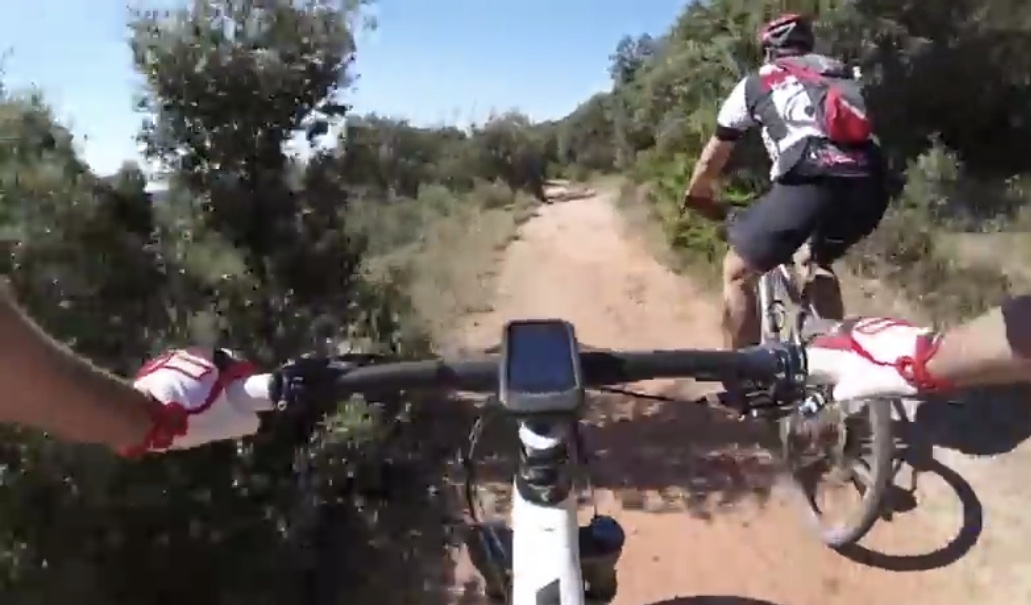
Travesía BTT La Pera
Rincón de Soto
With a 9:00 start and routes up to 62 km, it's worth carrying your own supplies in addition to the official feed stations.
Desafío Puertos de Guadarrama
Guadarrama
As a mass-participation event, feed stations are well distributed, but it's worth carrying your own reserve on the long route.
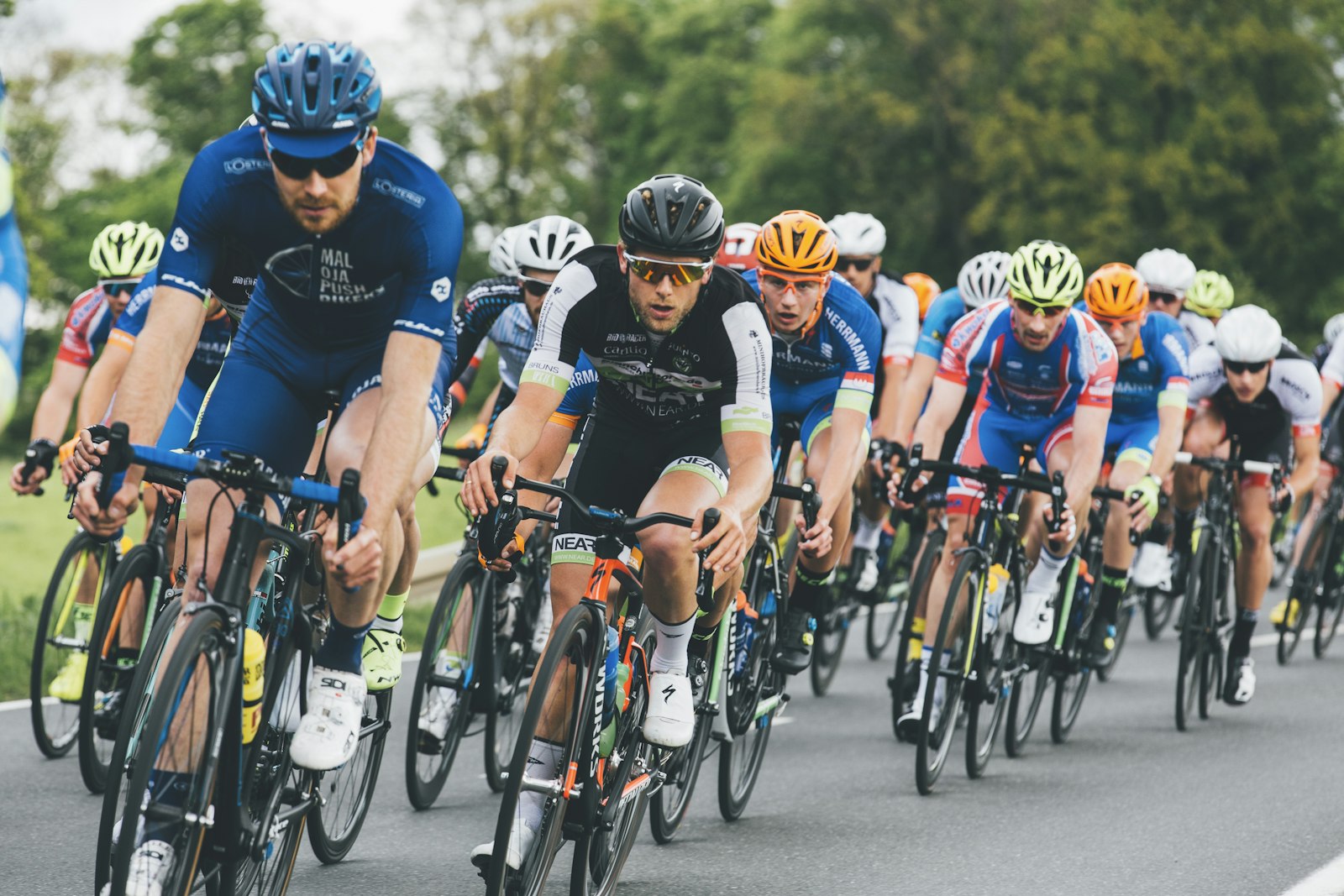
Madrid-Segovia MTB
Madrid
The single 117 km route with no shorter option means nutrition needs careful planning to make it to Segovia's Aqueduct in good shape.
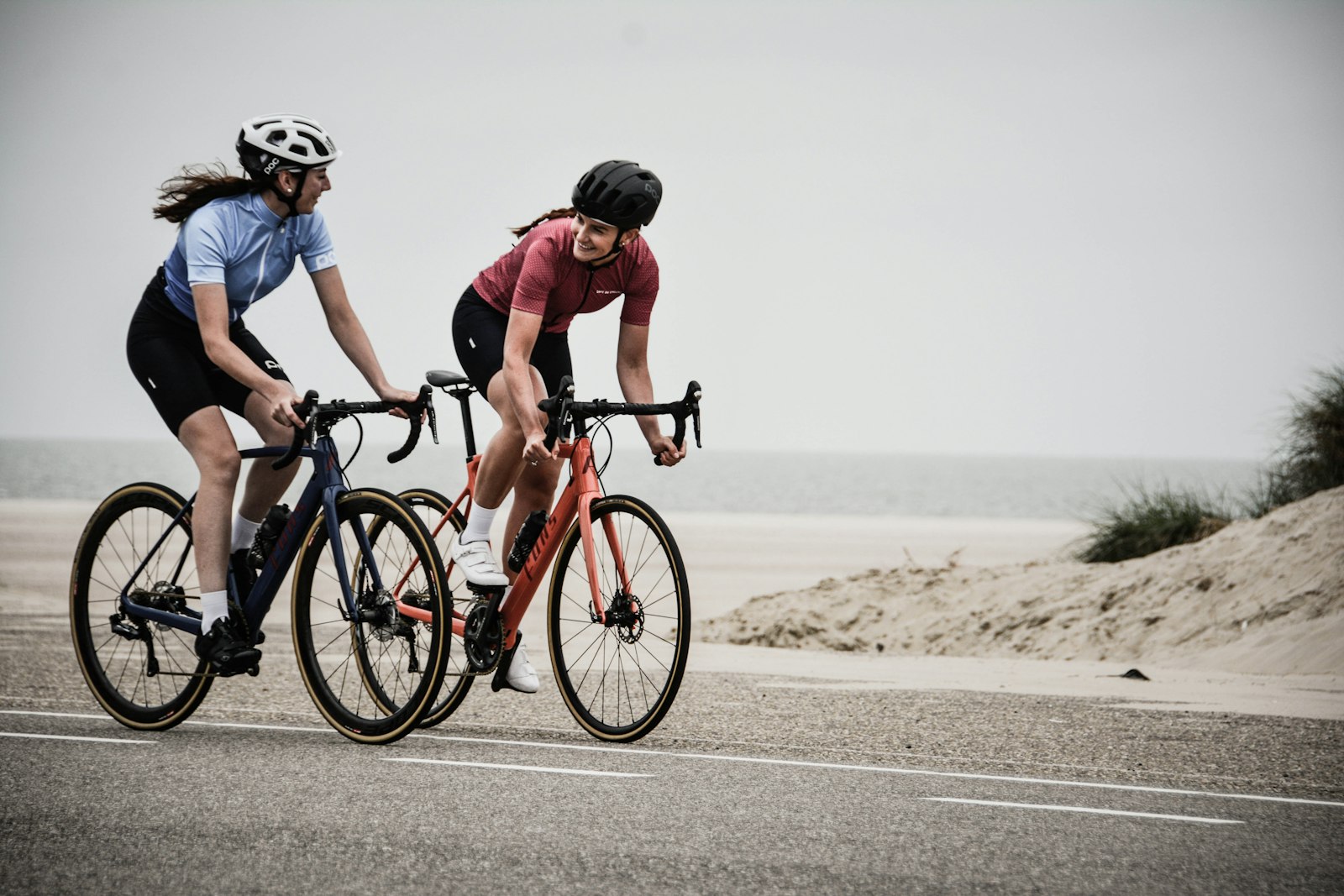
Marcha Cicloturista Sierra Norte
Buitrago del Lozoya
The 143 km Gran Fondo with over 2,800 m of climbing demands a solid fuelling strategy across the 13 villages on the route.
Marcha BTT del Cocido
Brunete
With the cocido waiting at the finish, there's no need to carry extra fuel for the 50 km, though staying hydrated on the route still matters.
Trofeo BTT Gravel Ciudad Tres Cantos
Tres Cantos
On the 102 km route it's worth planning solid fuelling, especially in cold weather when the body burns more energy staying warm.
Xcorial Xtreme
El Escorial
The 112 km with 2,500 m of climbing call for a careful fuelling strategy, especially before the longest climbs.
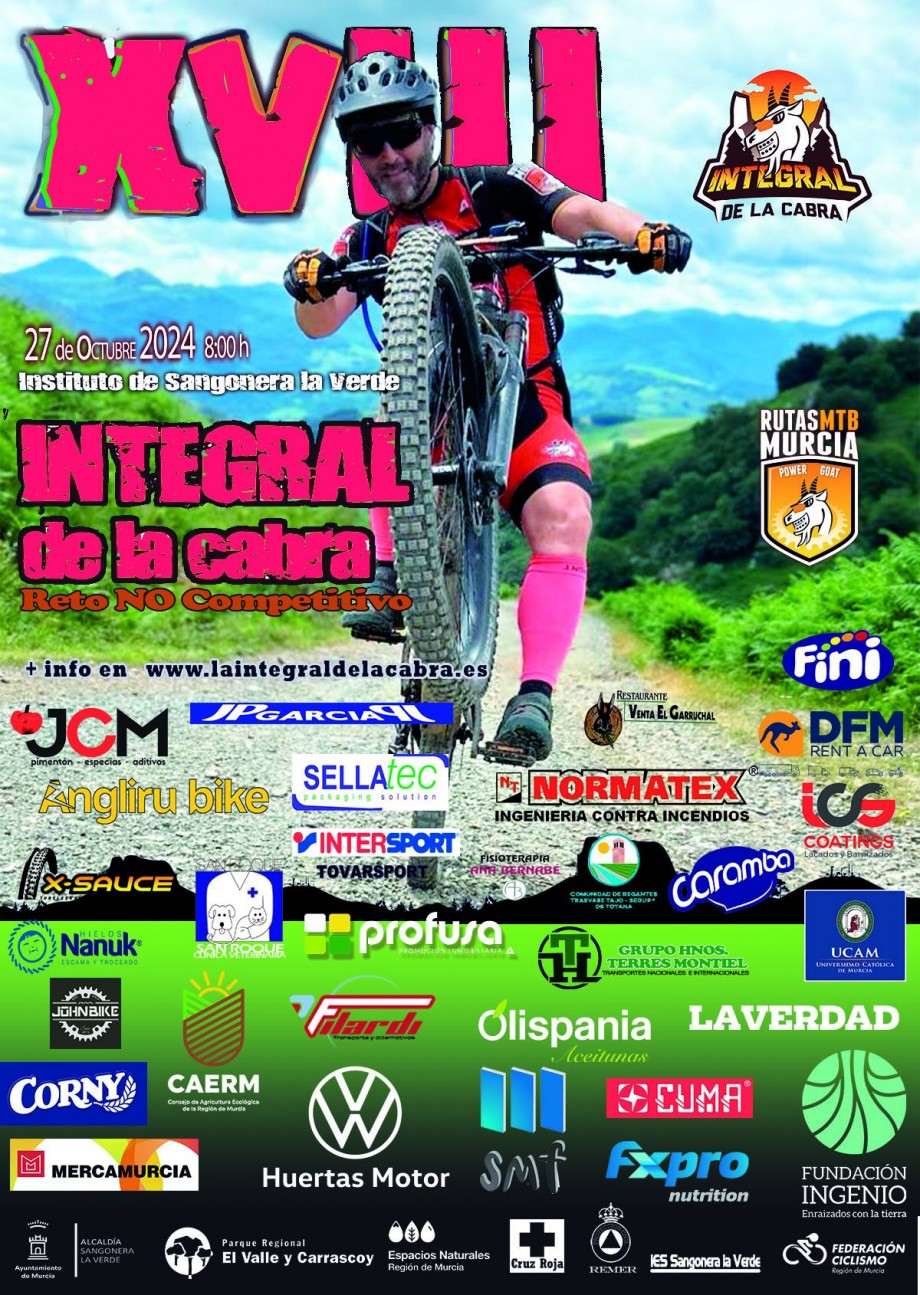
La Integral de la Cabra
Sangonera la Verde
With 80 km and 2,200 m of climbing, careful fuelling planning is needed throughout the route across the regional park.
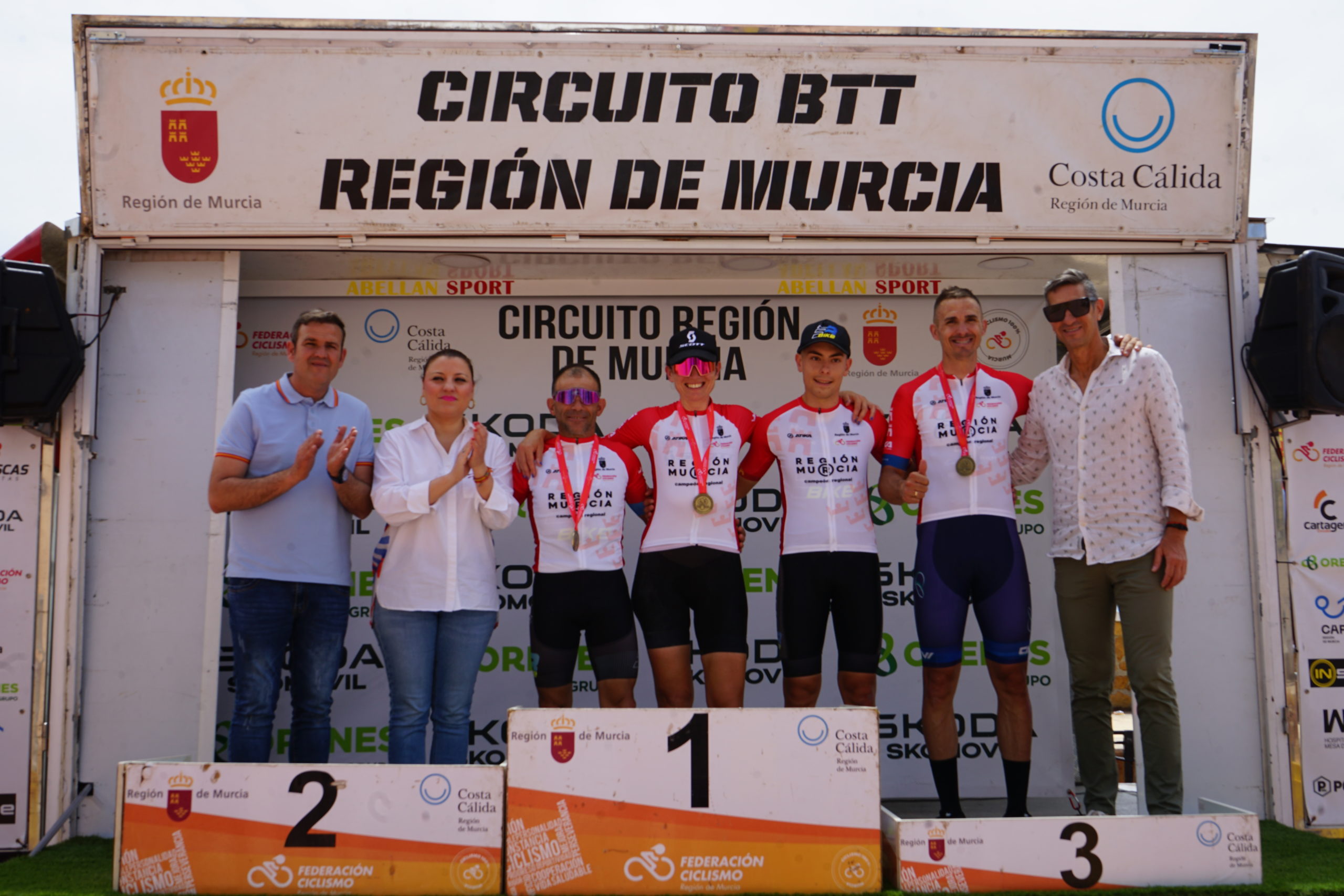
III Marcha CC Beniel - BTT Experience Región de Murcia
Beniel
With a 45 km route, a simple hydration strategy plus some energy intake at the feed station is enough.
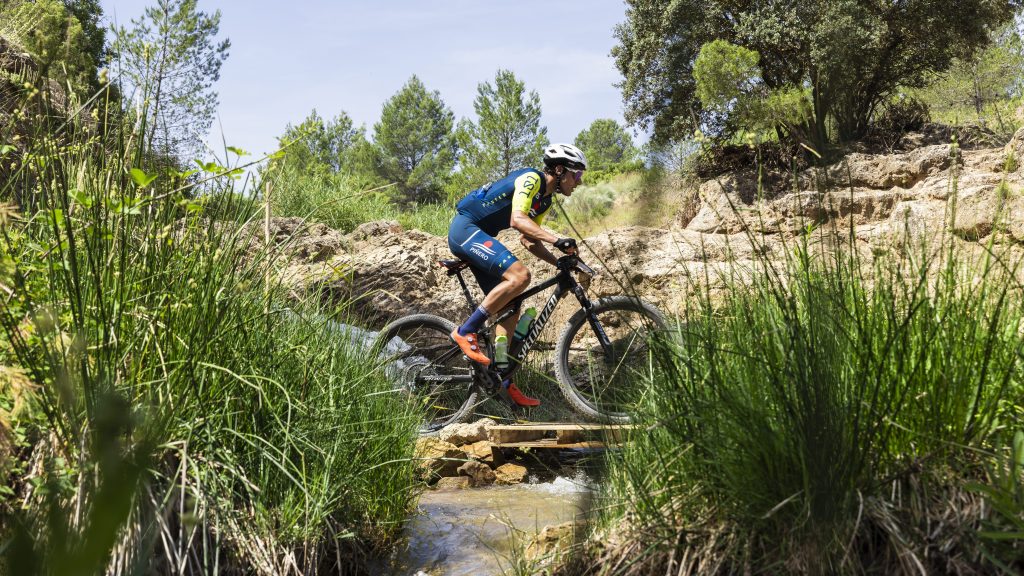
Memorial Luis Fernández XCM
Cehegín
With up to 55 km and 1,900 m of elevation gain, a solid fuelling strategy is needed, making the most of the feed stations along the route.
Larra Larrau
Isaba
The 146K demands a solid fuelling strategy given the accumulated elevation gain and the length of the event.
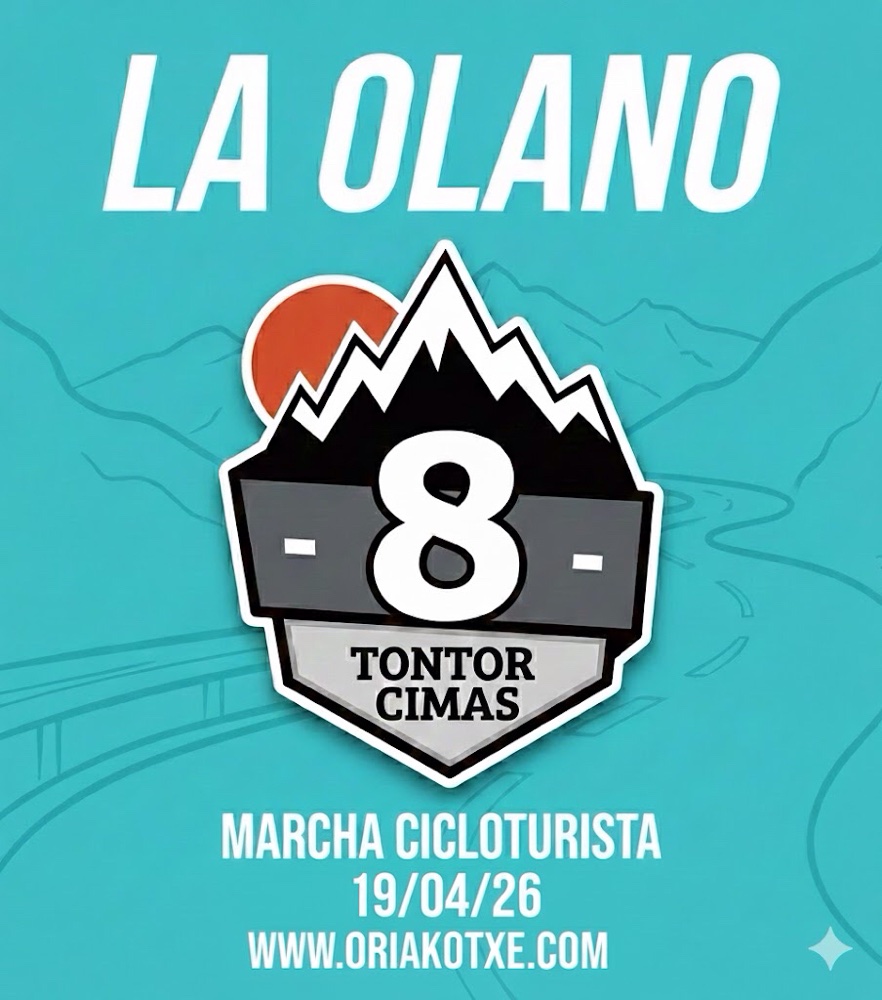
Abraham Olano Martxa · 8 Cimas por Gipuzkoa
Tolosa
With up to 2,800 m of elevation gain over 133 km, energy expenditure is high; it's worth boosting intake beyond the official feed stations.
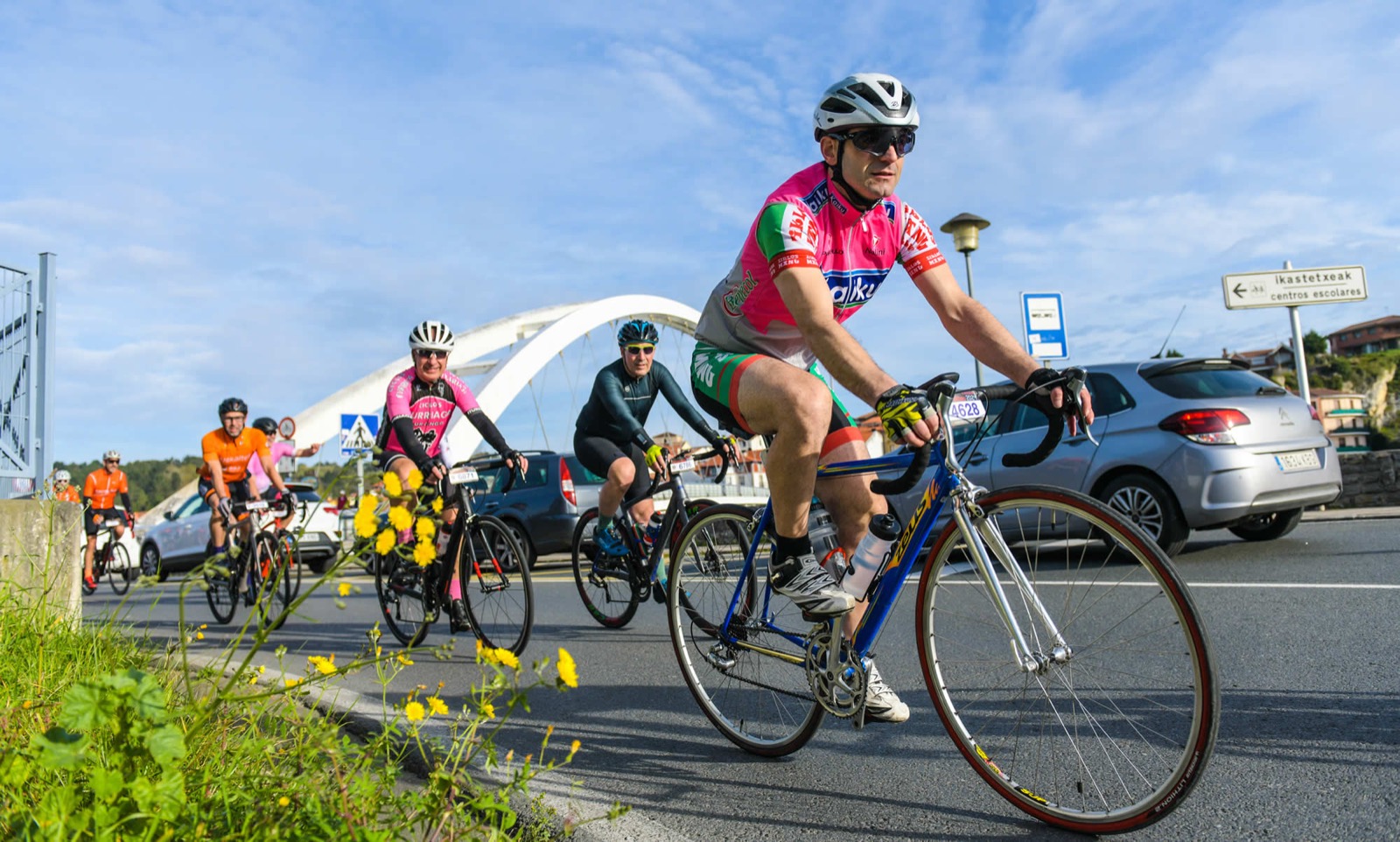
Marcha Cicloturista Internacional Occident Bilbao-Bilbao
Bilbao
The route has feed stations spread out according to the distance chosen, enough to cover up to the 125 km of the long route.
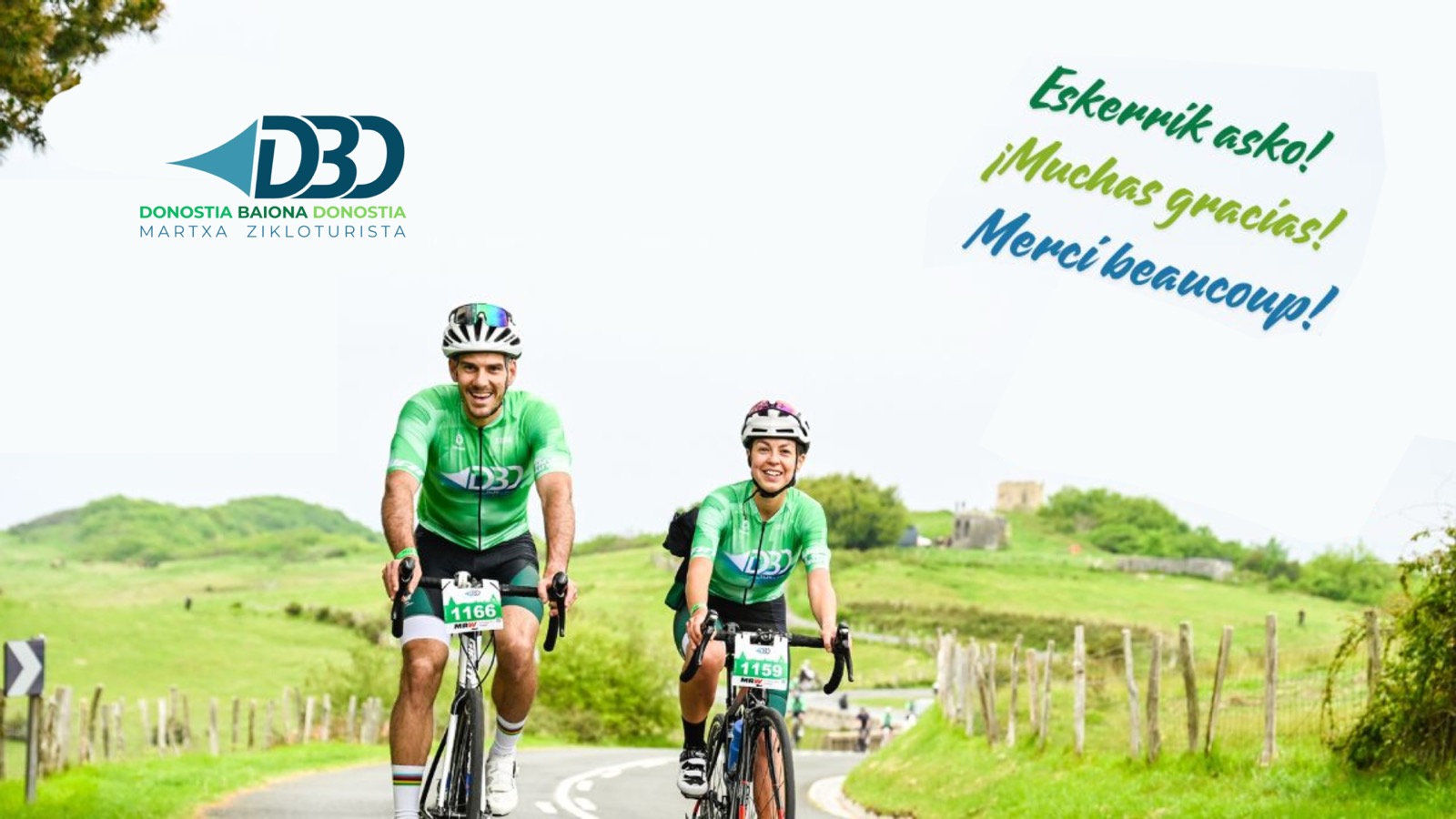
Marcha Cicloturista Internacional Donostia-Baiona-Donostia
Donostia / San Sebastián
With up to 130 km and 1,800 m of elevation gain, plan your intake well at the route's feed stations, especially before crossing into France.
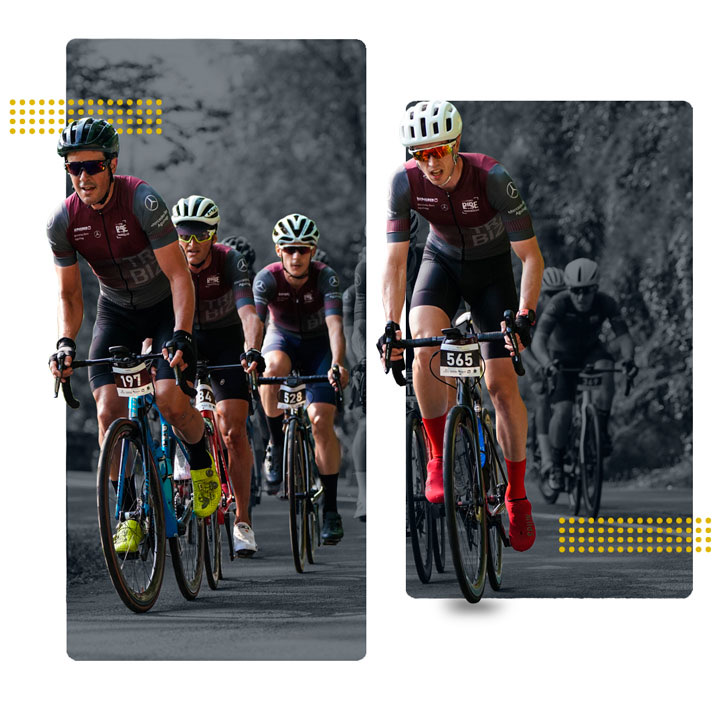
Gran Fondo BIBE Transbizkaia
Durango
Almost 180 km and 3,500 m of elevation gain demand a solid nutrition strategy, beyond the route's official feed stations.
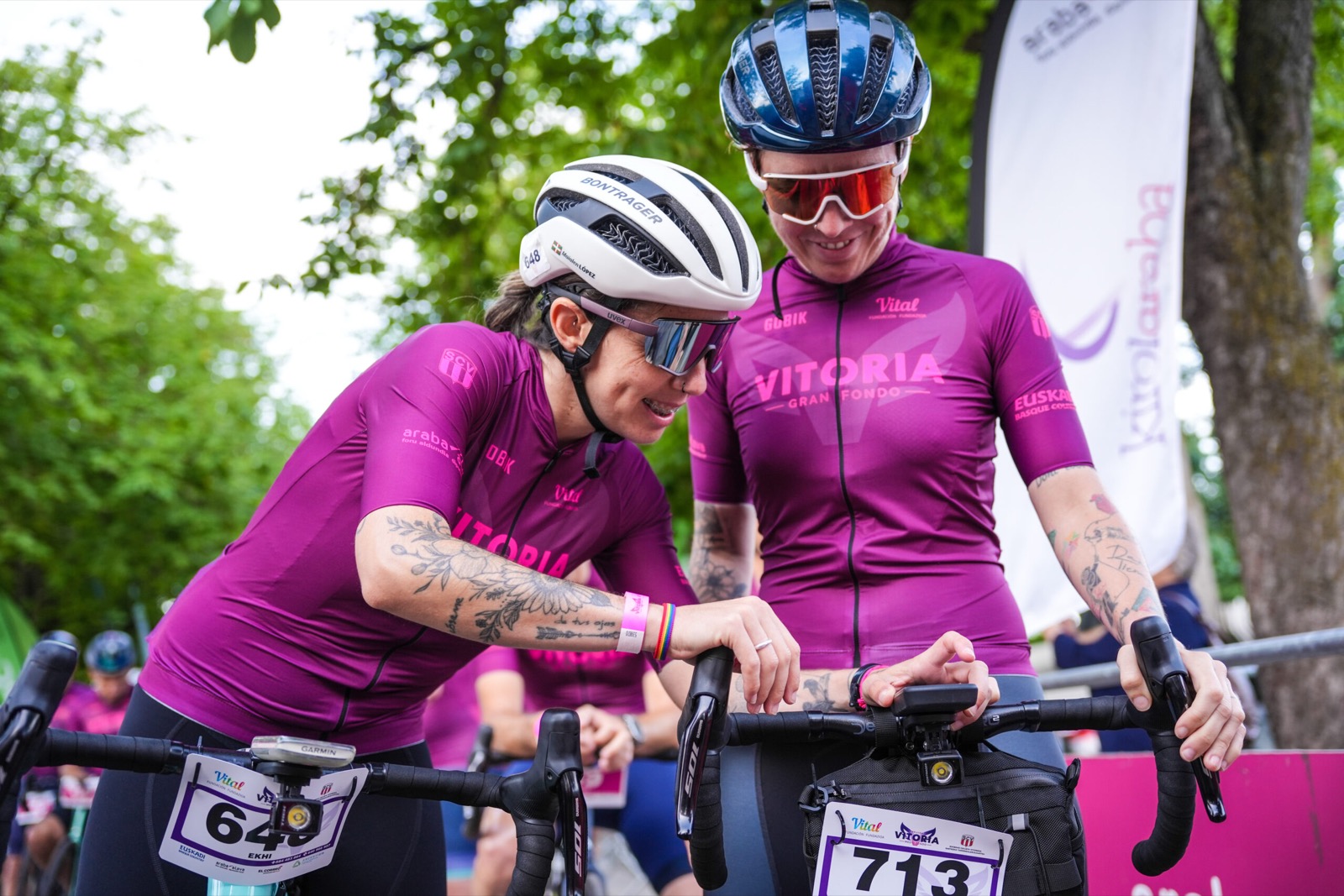
Prueba Cicloturista Vitoria
Vitoria-Gasteiz
With up to 207 km and 3,250 m of elevation gain, the organization sets up feed stations along the route, plus a hot meal and beer included at the finish.
Frequently asked questions
How many gels do I need for a 100 km ride?
It depends on your pace and duration, but as a reference: for a 4-5 hour ride, 4 to 6 gels combined with 1-2 bars cover the 60-90 g of carbohydrates per hour range. Adjust the number to your training and always test the strategy on long rides before the event.
Do I need electrolytes if I'm already drinking water?
Yes, especially on rides longer than 3 hours or in the heat. Water alone doesn't replace the sodium you lose through sweat, and a prolonged deficit is one of the main causes of cramps and a drop in performance during the second half of the event.
Gels or bars: which should I start with?
Gels digest faster and are more convenient at high intensity, while bars provide more satiety on flat sections or at an easy pace. The strategy that works best in long events is combining both formats rather than relying on just one.