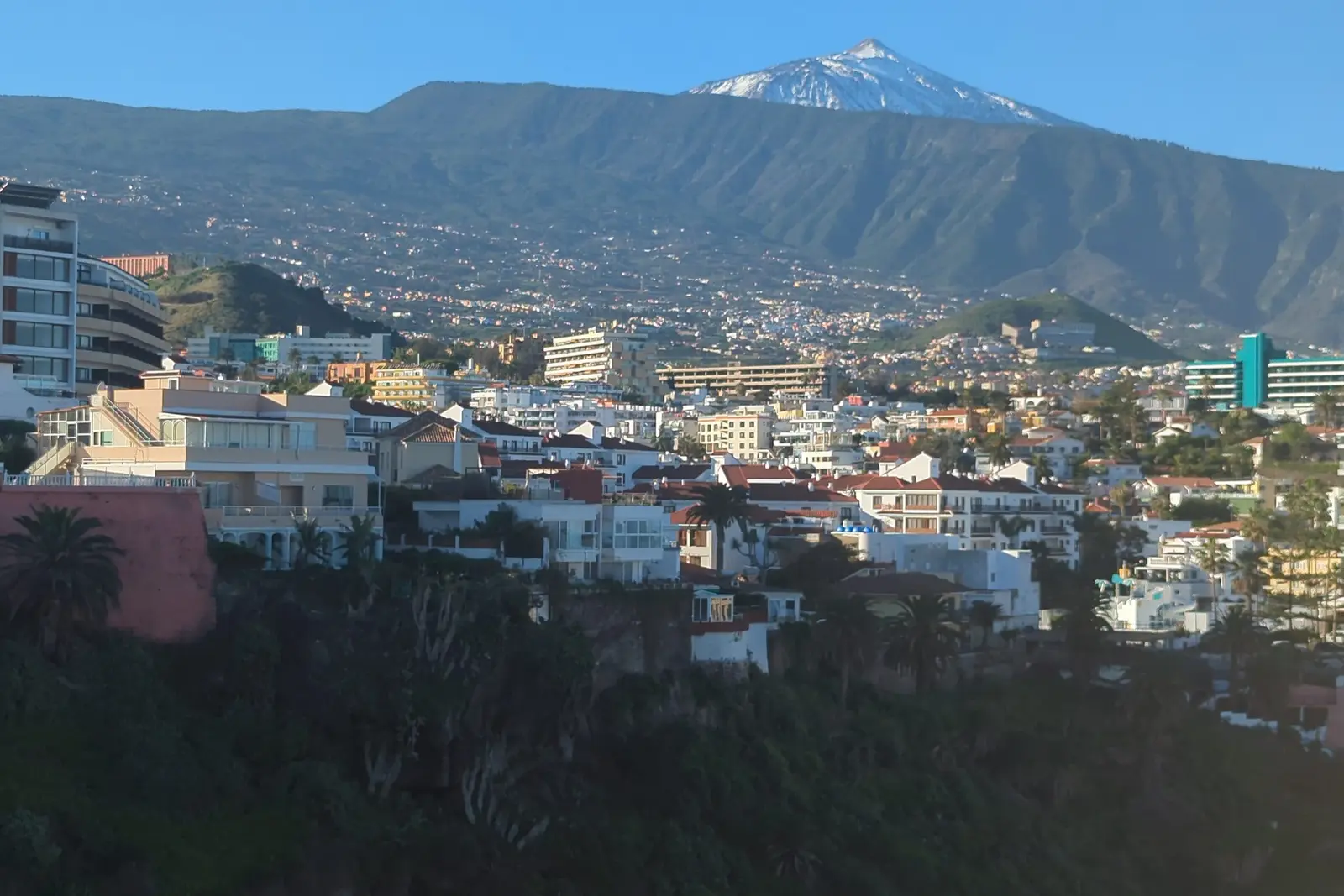
Puerto de la Cruz · Canary Islands
Vuelta al Teide
May 16, 2027
Vuelta al Teide 2027: estimated date May 16, 2027
High-altitude sportive in Tenerife starting in Puerto de la Cruz and climbing Mount Teide. Three routes: 182 km and 4,600 m, 86 km and 1,700 m, and 64 km and 1,300 m.
Vuelta al Teide 2027: estimated date May 16, 2027
The organiser has not published the official 2027 calendar yet. The estimated date is based on last year's edition and we'll confirm it as soon as it's announced. Start sorting gear and logistics.
Key gear for Vuelta al Teide
 ContinentalContinental GP5000 S TR57,00 €Amazon →
 ShimanoShimano Ultegra CS-R8101 Cassette 11-34Amazon →

Affiliate links: if you buy, we earn a commission at no extra cost to you.
Past editions
- 2026 · May 16, 2026 (held)
Vuelta al Teide: 4,600 m of climbing between the sea and the sky
Few sportives in Europe start at sea level and finish at 2,300 m on the same day. The Vuelta al Teide does it with 182 km and 4,600 m of climbing, on a volcanic island where the landscape changes three times before the summit. It is, without argument, the hardest sportive in the Canaries and one of the toughest in Spain.
The event starts in Puerto de la Cruz and climbs Mount Teide via the La Orotava road, with ramps that link without respite and a final section at altitude where the air weighs less than you think and the sun burns more than you expect.
Three routes, three ways up
- Gran Fondo 182 km / 4,600 m: the full loop, climbing Teide and descending through the south before returning to Puerto de la Cruz. A full-day event: 7-8 hours for an average rider.
- Medio Fondo 86 km / 1,700 m: up to Teide via La Orotava and back the same way. For anyone who wants the summit without the 182 km.
- Short Fondo 64 km / 1,300 m: the most accessible version, for a first taste of Canarian mountains.
The gap between long and short is 3,300 m of climbing. Do not choose by distance: choose by altitude and accumulated elevation.
The Teide climb, via La Orotava
The La Orotava road to Teide is around 40 km of continuous climbing, with 8-10 % sections and a descent before it that breaks your rhythm. Altitude is the factor nobody trains at home: above 2,000 m your heart rate rises and your breathing changes. It is not extreme altitude, but you feel it.
Three warnings from the organiser, confirmed by anyone who has been up:
- Real sun protection. At 2,300 m the sun burns even under cloud. Sunscreen on face, neck and ears, and proper sunglasses.
- Warm clothing for the summit. You can leave Puerto de la Cruz at 22 °C and summit at 10 °C with wind. A windproof and arm warmers are mandatory.
- Constant hydration. Dry air at altitude dehydrates without you noticing. Drink every 15 minutes.
Entry and what it includes
Entries go through the official website and usually include feed stations, timing, medical and mechanical support, the jersey and the rider bag. The 2027 price was not published at the time of writing; in 2026 it was around €50-60 depending on the route.
The organiser also offers accommodation, bike rental and bike transport, which makes logistics much easier if you fly in from the mainland.
Getting there and where to stay
Tenerife has two airports: Tenerife North (Los Rodeos), 25 minutes from Puerto de la Cruz, and Tenerife South (Reina Sofía), 1 h 15 away.
- Puerto de la Cruz: the closest option, with the start on foot and plenty of hotels.
- La Orotava: a characterful town 10 minutes away, quieter.
- Santa Cruz de Tenerife: the capital with every service, 35 minutes away.
On race day the Teide road is closed to traffic in some sections: check the organiser’s plan if you drive up.
After the ride
Teide is a National Park and deserves a visit without the bike: the cable car, the Los Roques viewpoint and the Vilaflor road are a perfect plan for the following day. For the full calendar, see the Canarias hub.
The other Canary Islands sportives
Teide is the Canarian benchmark, but not the only one: the Volcano Gran Fondo La Palma swaps Teide for the volcanic roads of La Palma, the La Tea Gran Fondo climbs Teide from the south of Tenerife and the Gran Fondo Pico de las Nieves does the same on Gran Canaria. If you want a full week of riding, the Gran Canaria Bike Week is the complete plan.
Before climbing for 40 km non-stop, read the climbing gearing guide and use the tyre pressure calculator: altitude and Teide asphalt change the numbers.
Verdict: the Vuelta al Teide is Spain’s definitive high-altitude sportive. If you want to take on 4,600 m of climbing, ride up a volcano and go home with a story, this is your event. See info and entry →
Your 360 Pack
Everything you need to prepare for this event, in one place.
Affiliate links: if you buy, we earn a commission at no extra cost to you.
Recommended gear for Vuelta al TeideHow long will Vuelta al Teide take you? Estimated time by levelVuelta al Teide entry
Handled on the official website and including feed stations, timing, medical and mechanical support, the jersey and the rider bag. The organiser offers accommodation and bike rental.
Tips
- Enter early: the field is limited
- Book accommodation and a bike on the same site if you travel in
- Choose your route by climbing and available time
Where to stay in Puerto de la Cruz
Puerto de la Cruz has most of the hotel beds and puts the start on your doorstep. La Orotava is the quiet alternative 10 minutes away; Santa Cruz, the urban option at 35.
Tips
- Book months ahead: May is high season
- Ask for secure bike storage
- Confirm the start time before booking
Gearing for 40 km of climbing
The La Orotava climb to Teide is long and steady. An 11-34 cassette and a compact chainset let you keep cadence on the 10 % sections.
Guides to get you ready
Tips
- Fit the cassette and test shifting before you travel
- Check the chain: heat and altitude are hard on it
- Heavier rider? Consider an 11-36
Continental
Continental GP5000 S TR
Tubeless de serie, sin sorpresas de montaje el día antes de la marcha
57,00 €
View on Amazon 4.7
Lezyne
Lezyne V Pro 11
Includes a chain breaker, which not every compact multi-tool has
56,07 €
View on Amazon 4.6
Lezyne
Lezyne Macro Drive 1400+
1400 lumens: enough to ride at night, not just to be seen
99,99 €
View on Amazon
Giro
Giro Aether MIPS Spherical
176,00 €
View on Amazon 4.7
Garmin
Garmin Varia RTL515
Radar that warns you of cars behind before you hear them
175,53 €
View on AmazonTyres and brakes for the descent
The Teide descent is long and heats the brakes. Grippy tyres and checked pads are mandatory; discs are an advantage.
Guides to get you ready
Tips
- Check pads and rotors before travelling
- Do not descend on worn race tyres
- Let the brakes cool at the viewpoints

Fuel and hydration at altitude
Dry air and altitude dehydrate without warning. Drink every 15 minutes, use electrolytes and eat every 40-45 minutes.
Guides to get you ready

Tips
- Two bottles and refill at the feeds
- Caffeine gels for the final section
- Never try new food on race day
Maurten
Maurten Gel 160
Tolerancia digestiva superior gracias al hidrogel
54,95 €
View on Amazon
Science in Sport
SiS Beta Fuel
Doble fuente de carbohidratos, absorción superior a un gel convencional
67,99 €
View on Amazon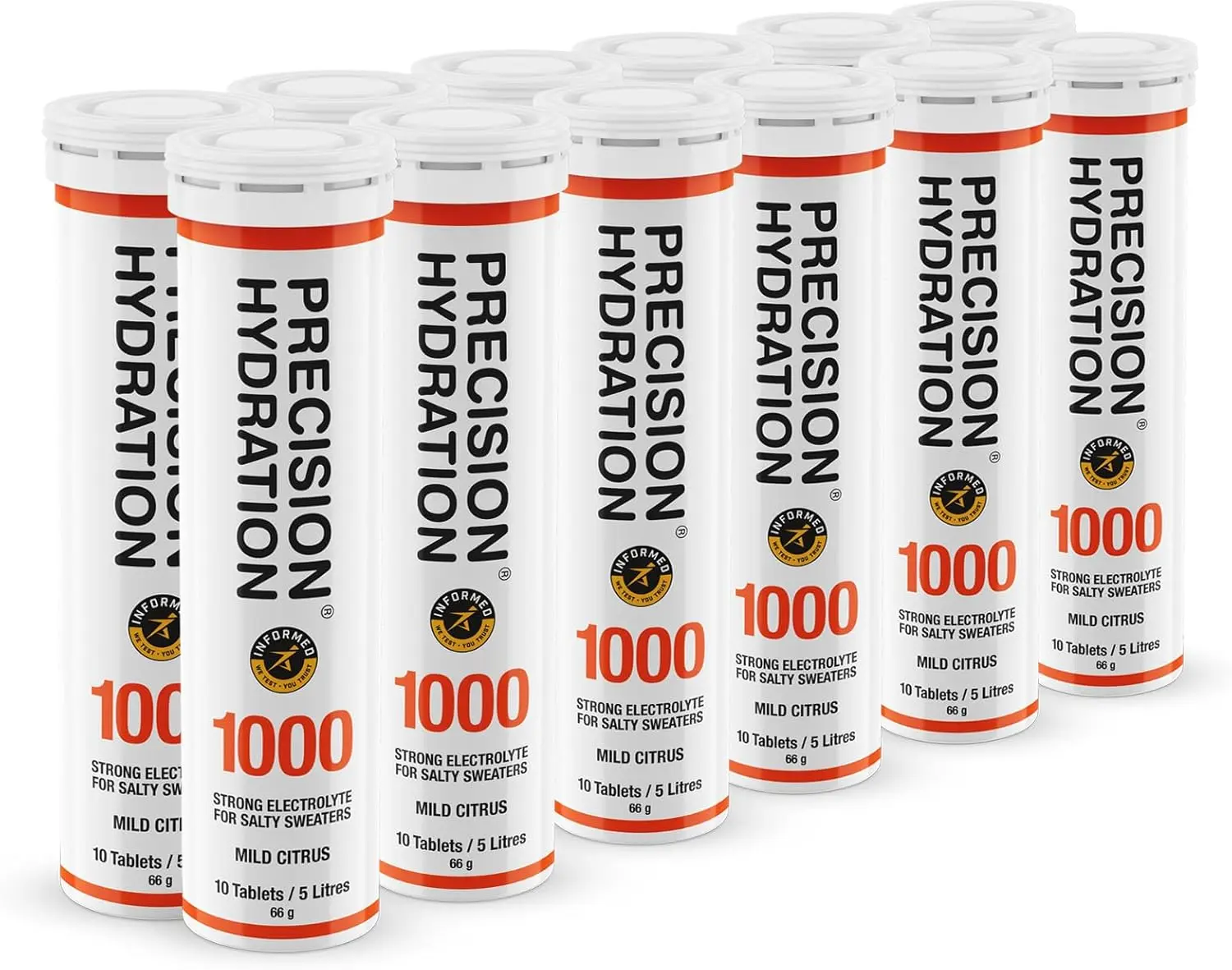
Precision Hydration
Precision Hydration 1000 Strong Electrolyte
1000 mg de sodio por litro, formulación de alta concentración
104,99 €
View on Amazon
Veloforte
Veloforte Barra de Proteína Mocha
Ingredientes 100% naturales, sin lácteos ni gluten
133,54 €
View on AmazonClothing from sea level to 2,300 m
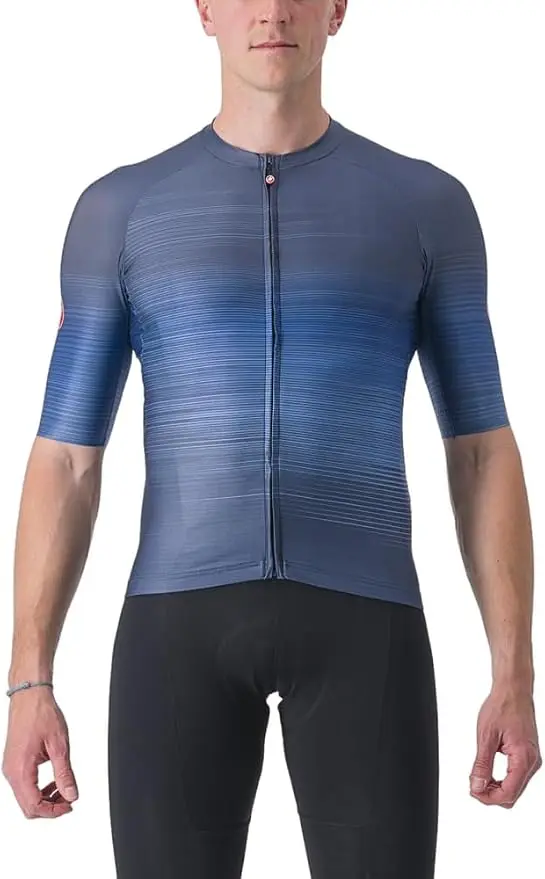
The temperature gap between coast and summit can be 12 °C. Short sleeves, arm warmers, a windproof and thin gloves are the base kit.
Guides to get you ready
Tips
- Packable windproof is mandatory
- Arm warmers and thin gloves for the summit
- Full-zip jersey to regulate
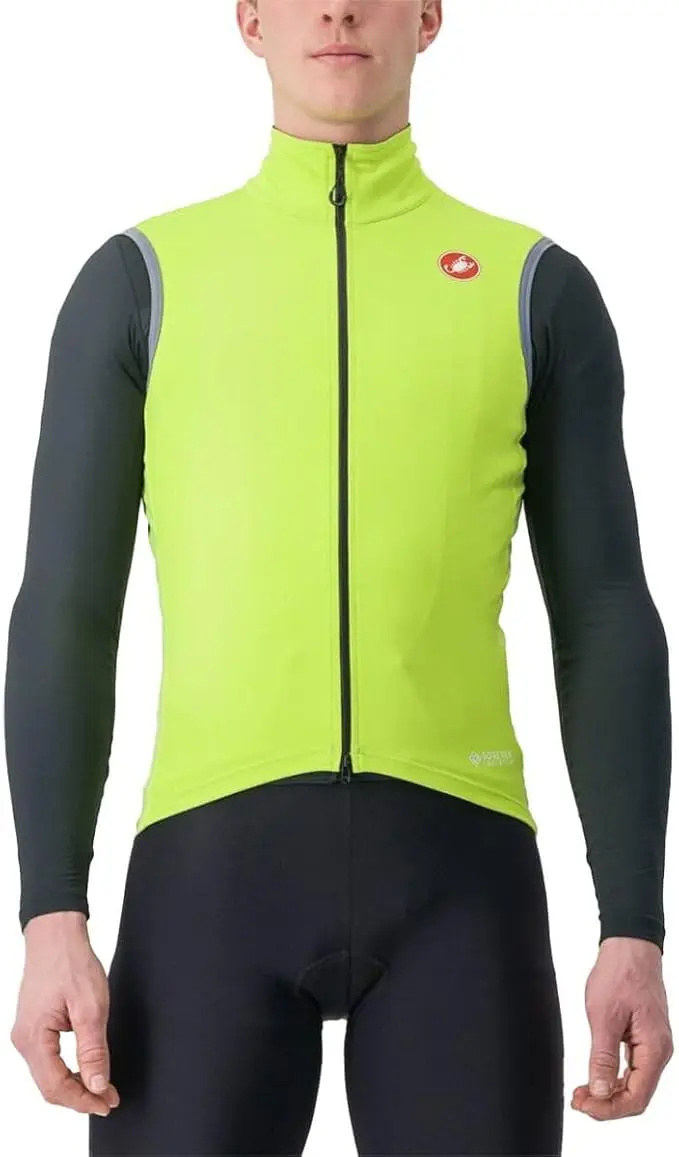
Castelli
Castelli Perfetto RoS Vest
Gore-Tex Infinium: corta el viento y repele la lluvia fina
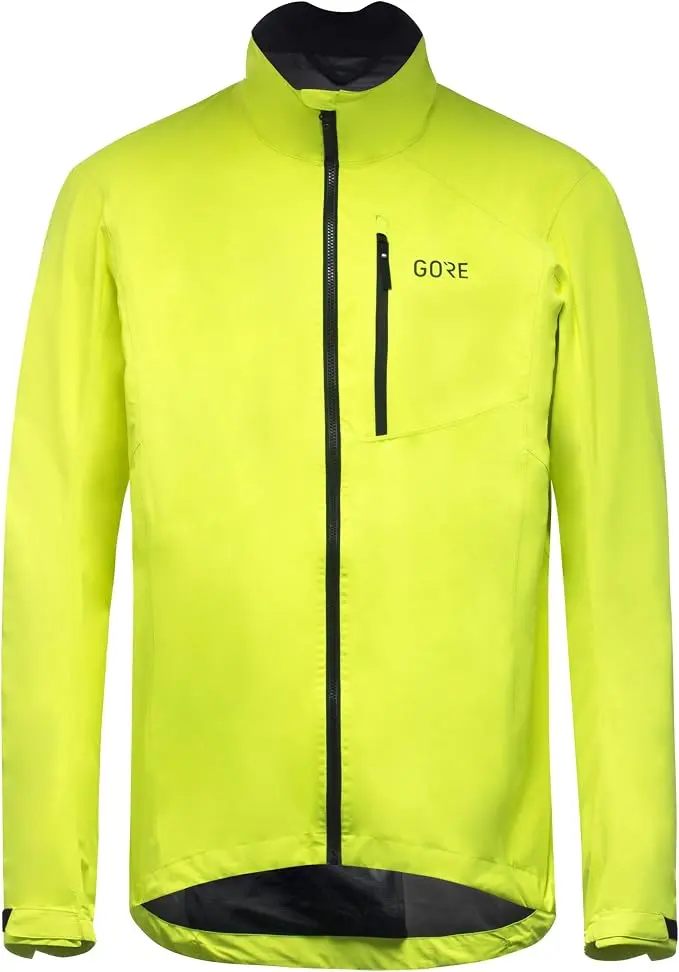
GOREWEAR
GOREWEAR GORE-TEX Paclite
Membrana GORE-TEX 100% impermeable y cortaviento
160,95 €
View on Amazon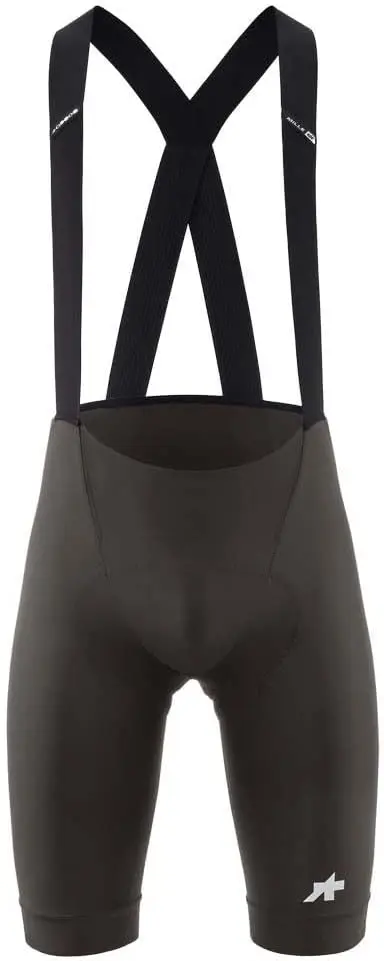
Assos
Assos Mille GT Bib Shorts S11
Badana golPelle pensada para tiradas largas
197,53 €
View on AmazonHigh-altitude glasses and sun protection
At 2,300 m UV radiation is far more intense. UV400 sunglasses and sweat-resistant sunscreen.
Guides to get you ready

Tips
- Sunscreen on face, neck and ears
- Dark lenses for the summit
- A clear lens for the wooded sections


Getting your bike to Tenerife
Flying? A hard case or padded bag; the organiser offers bike rental and transport. By ferry, the crossing from Cádiz takes two days.
Guides to get you ready

Tips
- Book the bike on the plane in advance
- Pad the derailleur and fork
- Consider renting a bike on the island instead
Renting a bike in Tenerife
The island has a wide network of rental shops with road and gravel bikes. For a 182 km sportive, book a bike equivalent to yours and test it the day before.
Tips
- Book weeks ahead in high season
- Adjust the fit: saddle, stem and bars
- Bring your own pedals and shoes
- Test the bike on a short spin the day before
Gearing and drivetrain for the Vuelta al Teide
On a route like this the gearing decides whether you finish strong. An 11-34 cassette and a 50-34 compact crankset cover every ramp without running out of climbing gears, and a power meter lets you pace the early climbs.
Guides to get you ready

Tips
- Fit the new cassette and chain at least two weeks out, never the day before
- Check your rear derailleur max tooth capacity before ordering an 11-34
- If you weigh over 80 kg or the climb goes past 15 %, consider an 11-36

Sun protection and recovery
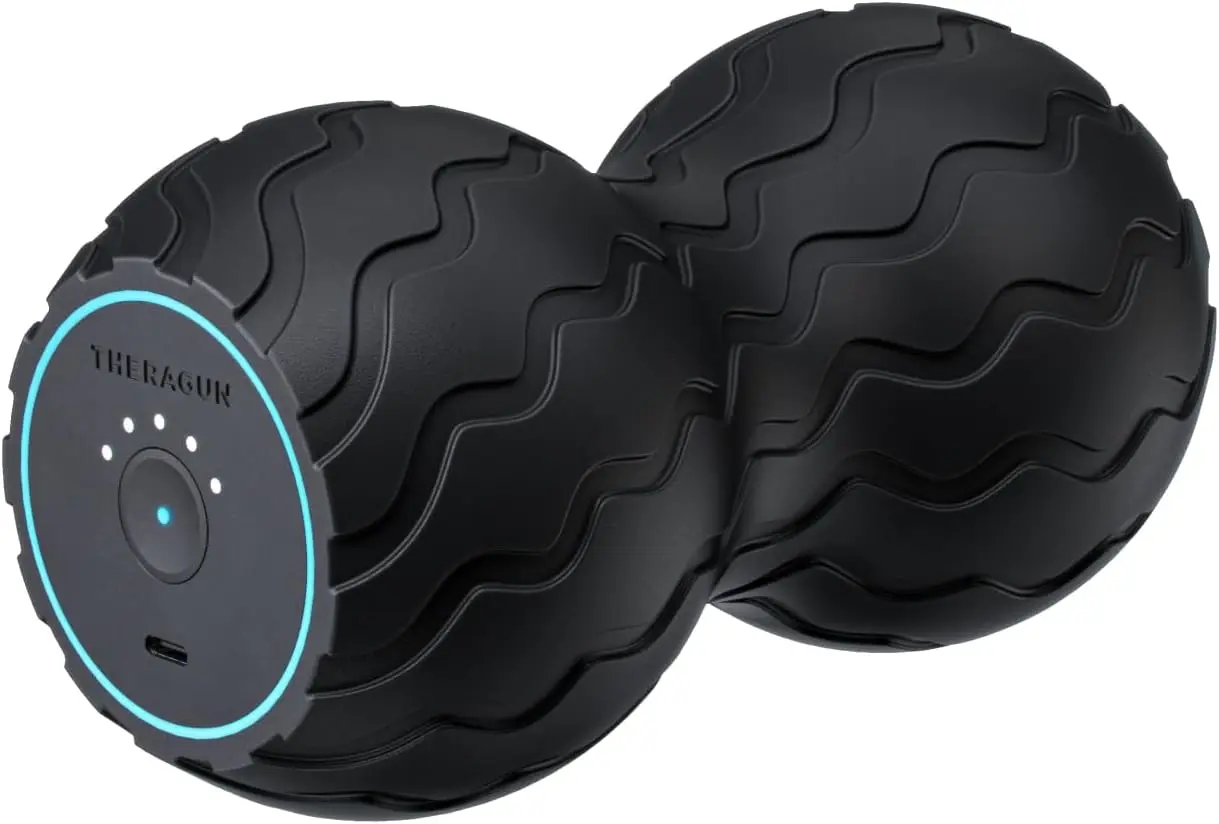
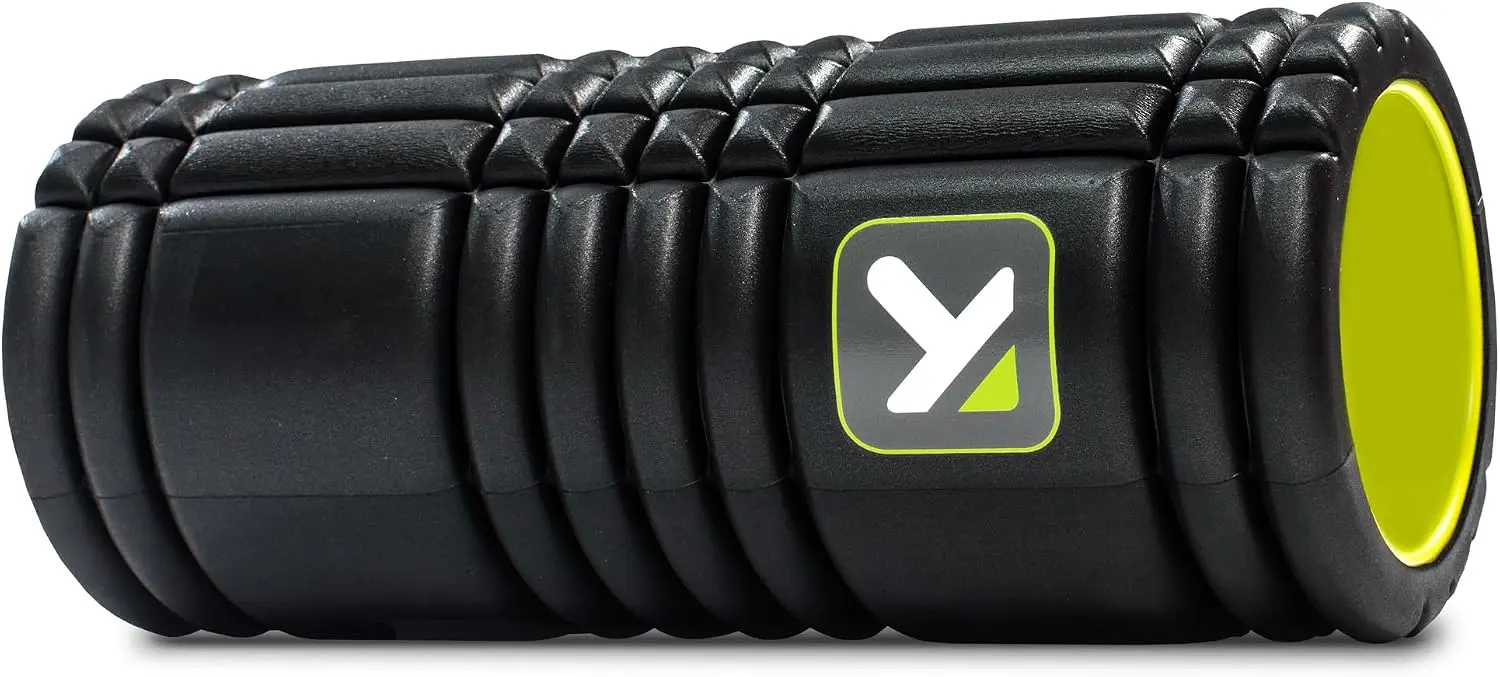
A mountain sportive means many hours of direct sun and a muscular bill that arrives the next day. Sport sunscreen before the start and release work with a foam roller and percussion gun once you are home.
Tips
- Apply sunscreen 20 minutes before the start and top up at the feed stations
- Do not stretch cold: 10 easy minutes on the rollers, then the foam roller
- Save the percussion gun for the day after, not the same evening
Frequently asked questions
When is the Vuelta al Teide 2027?
The 2027 Vuelta al Teide is expected on the third Sunday of May, as in 2026 (16 May). The organiser will confirm the date and entry opening on the official website.
Which route should I choose?
The 182 km / 4,600 m Gran Fondo is the full loop with the southern descent; the 86 km / 1,700 m Medio Fondo climbs Teide and returns via La Orotava; the 64 km / 1,300 m Short Fondo is the entry option.
How do I prepare for a ride at 2,300 m?
You do not need to live at altitude, but you do need to arrive rested, hydrate constantly and carry warm clothing for the summit. Teide’s altitude is not extreme, but the dry air and sun are stronger than they feel.
Guides to get you ready
Other events you might like
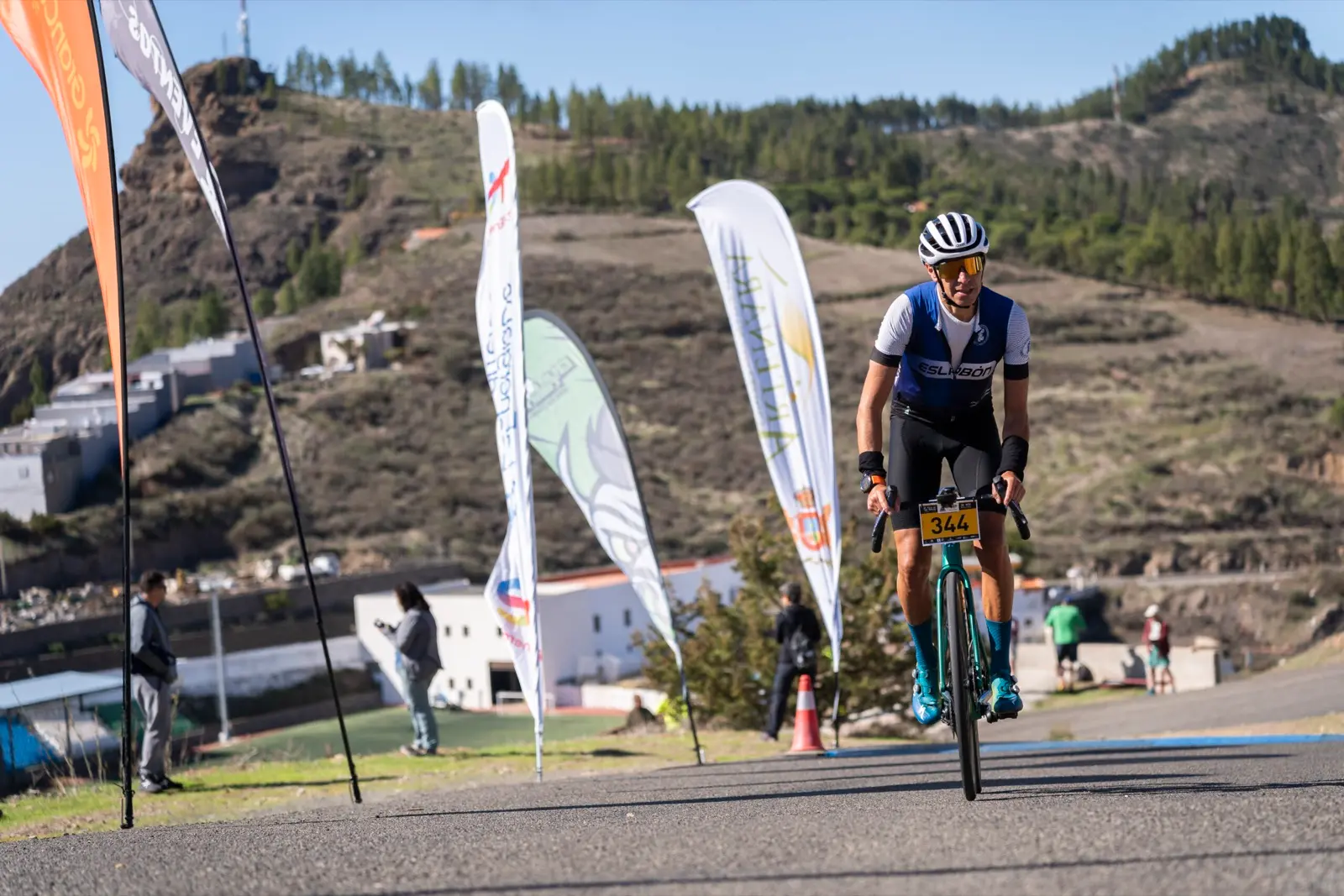
Gran Fondo Pico de las Nieves – Ciclismo a Fondo
Arucas · November 29, 2026
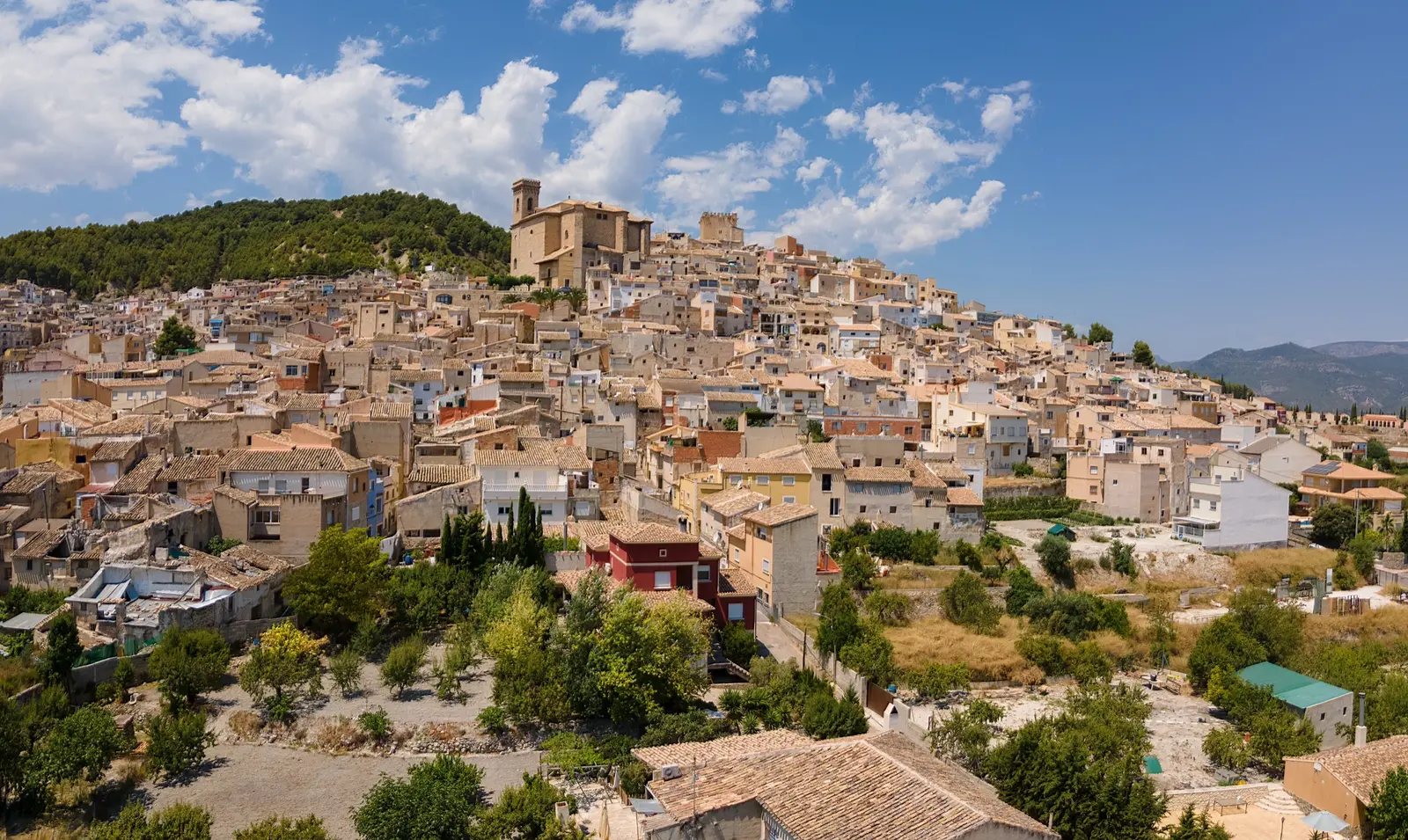
Sierras de Moratalla
Moratalla · May 16, 2027
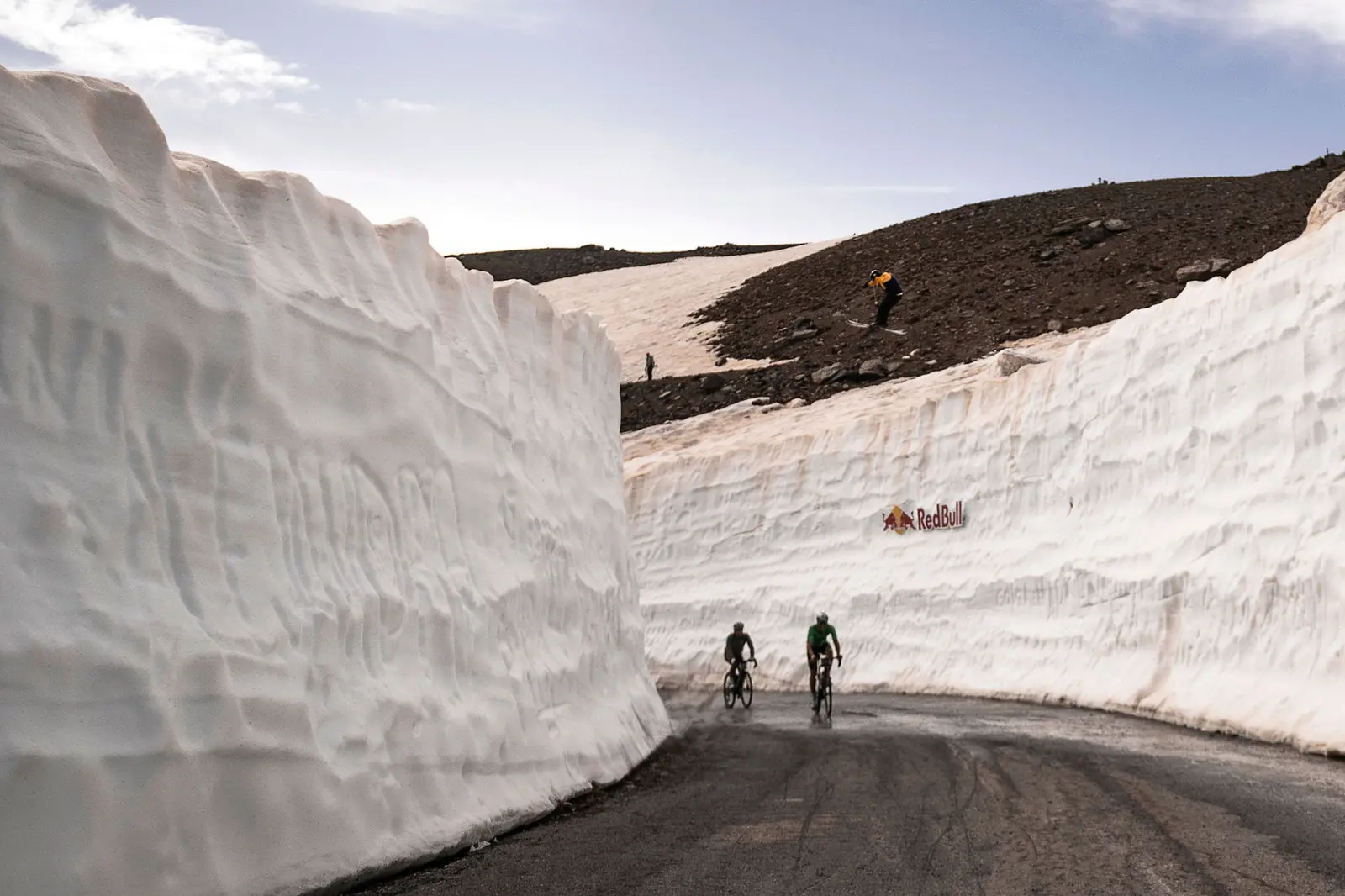
Sierra Nevada Límite Gran Fondo
Cenes de la Vega · May 15, 2027
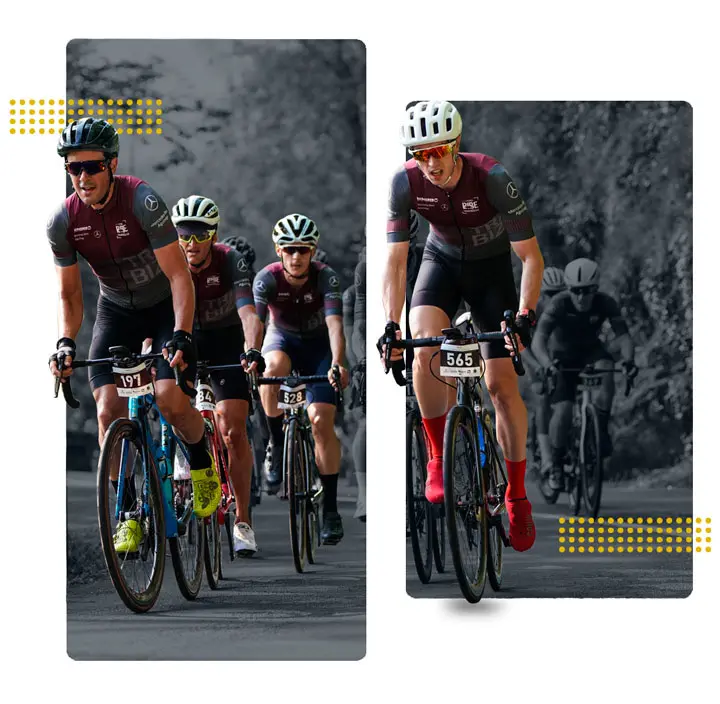
Gran Fondo BIBE Transbizkaia
Durango · June 7, 2026