nutricion
Best premium gels and bars for gran fondo 2026
August 18, 2026 · GranFondoTemple·Leer en español
Some links are affiliate links. Buying through them may earn GranFondoTemple a commission at no extra cost to you.
On a mountain gran fondo, nutrition matters as much as training. Bonking two climbs from the finish ruins months of work. The pro peloton has spent years solving this with a handful of specific brands, not the cheapest ones, but the ones that guarantee absorption, performance and zero stomach surprises six hours in. This comparison covers five high-end references used by WorldTour teams and endurance athletes, plus a strategy for combining them on race day.
Comparison table
Maurten
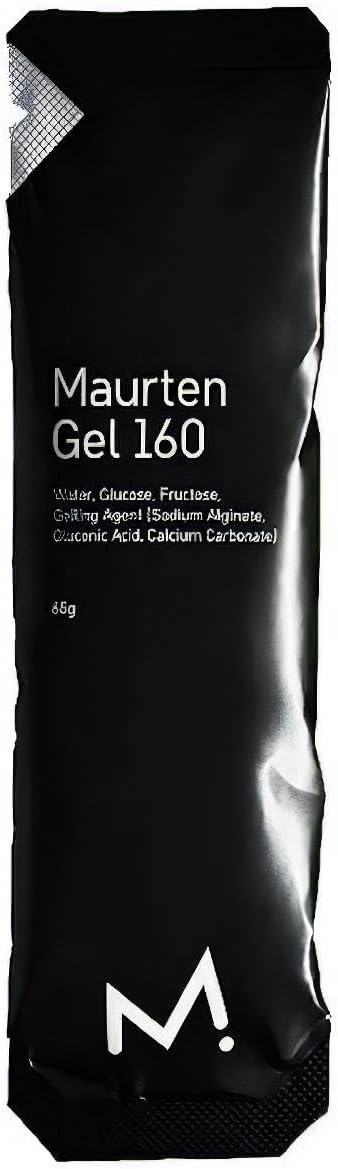
Maurten Gel 160
Hydrogel gel
40 g · Single sachet
View on Amazon →Science in Sport
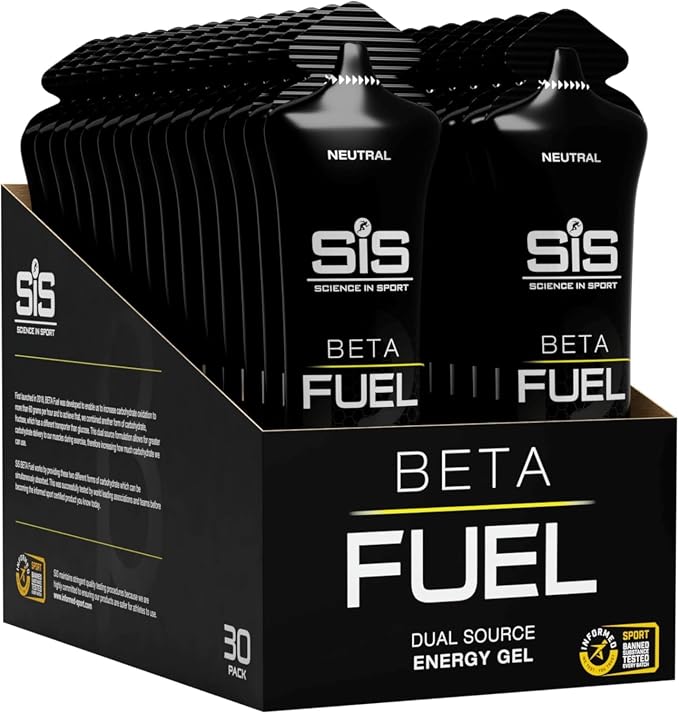
SiS Beta Fuel
Dual-source gel
40 g · Single sachet
View on Amazon →Veloforte
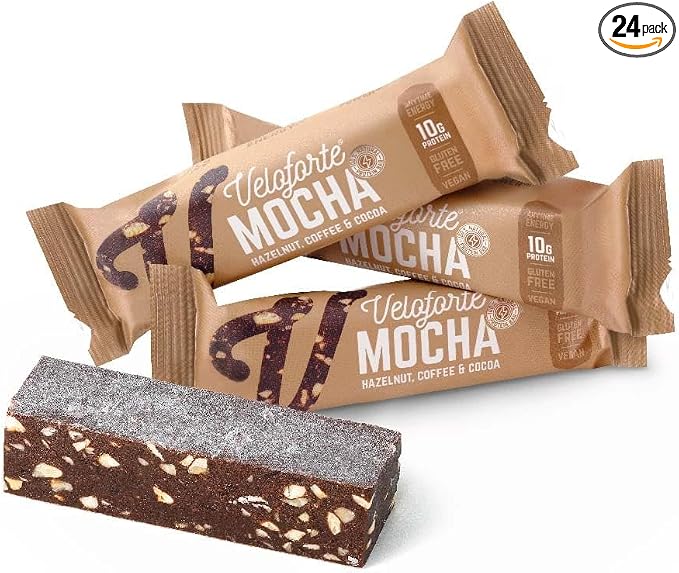
Veloforte Mocha Protein Bar
100% natural bar
10 g protein · Single bar
View on Amazon →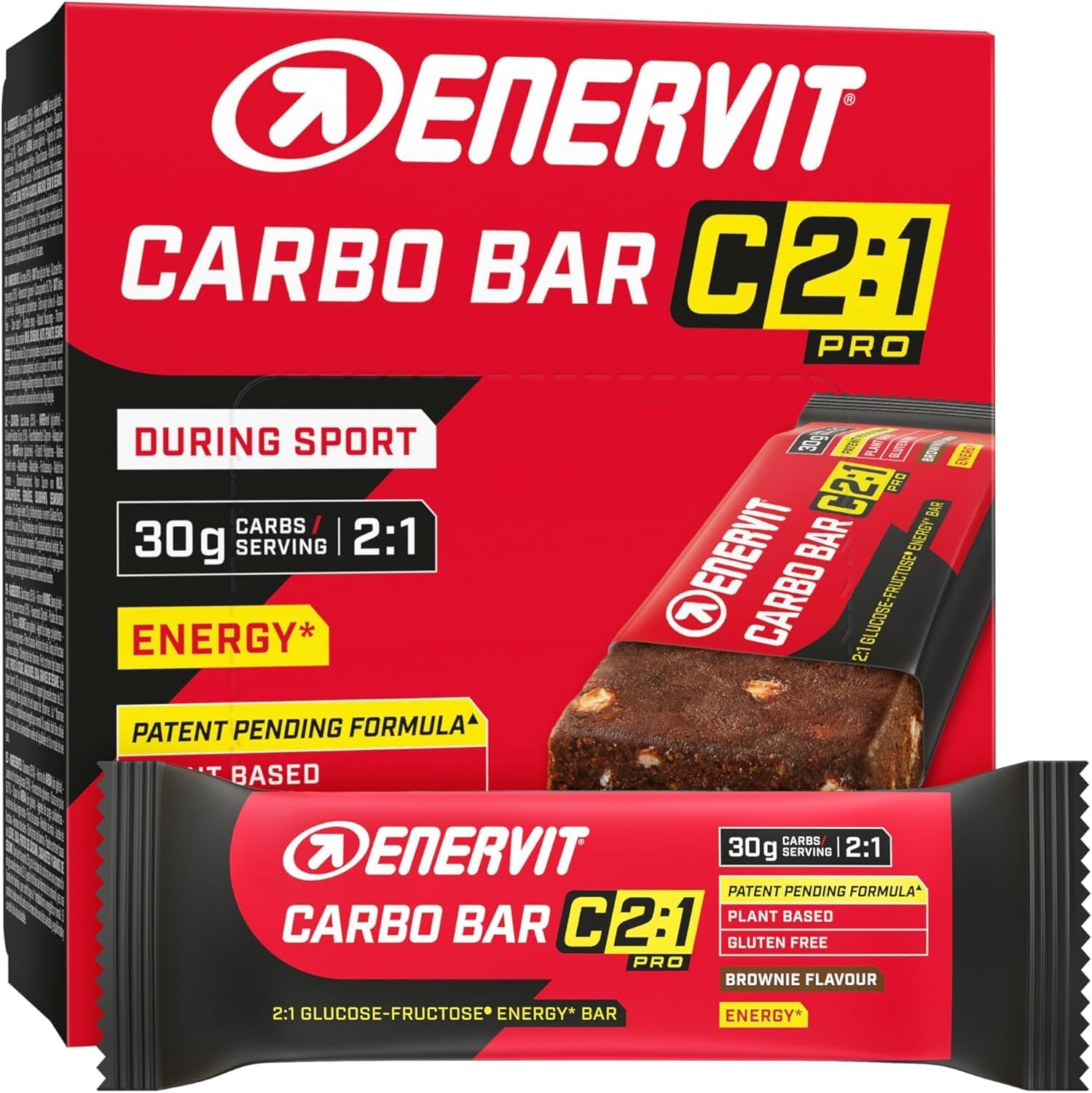
Enervit
Enervit Carbo Bar C2:1 Pro
2:1 bar
30 g · Single bar
View on Amazon →Precision Hydration
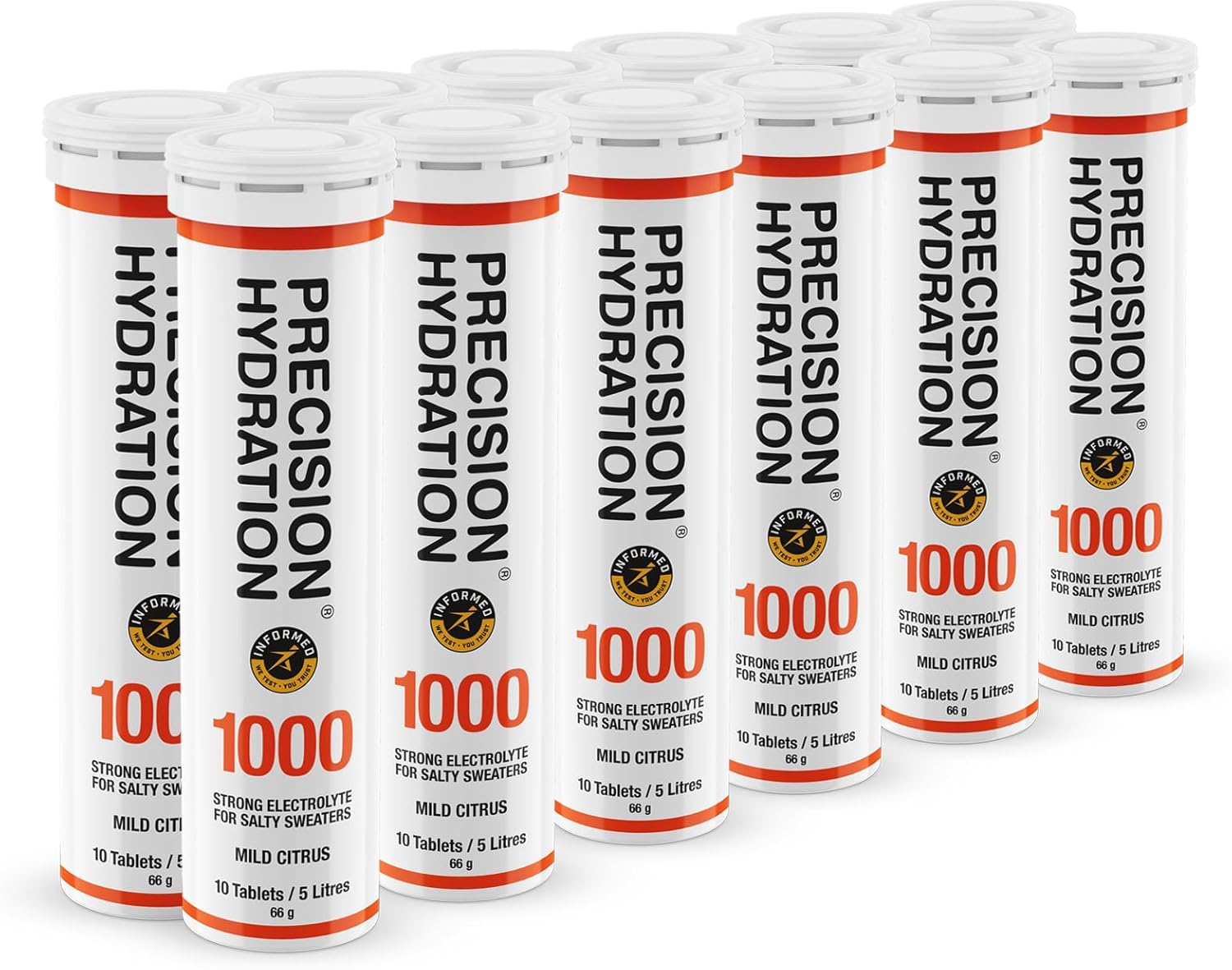
Precision Hydration 1000
Electrolytes
0 g (1000 mg sodium/L) · Effervescent tablet
View on Amazon →All available on Amazon. Links go to the current live price.
How much you need: the 60-90 g of carbs per hour rule
Sports science puts the target at 60-90 g of carbohydrates per hour for efforts longer than 2-3 hours, as long as your gut is trained to absorb them.
- 4-6 h gran fondo: aim for 60-70 g/h. A gel every 30-40 minutes (Maurten or SiS Beta Fuel) covers that range without overloading the stomach.
- 6+ h or 3,000+ m of climbing: alternating formats avoids flavour fatigue. Combine a gel with a bar (Veloforte or Enervit) every 90 minutes.
- Hot days or heavy sweating: add high-concentration electrolytes (Precision Hydration) from the first hours, not once the cramp already hit.
The key isn’t the most expensive product, it’s training your gut with the same doses and timing you’ll use on race day. Never try something new on the day of the event.
Gel vs bar: when to use each
Gels (Maurten, SiS Beta Fuel) win on calorie density and convenience. They go straight in the jersey pocket and take seconds to eat, ideal on technical sections where you only have one free hand. But past the 3-4 hour mark, many riders hit flavour fatigue with sweet gels. That’s where bars come in:
- Veloforte Mocha Protein Bar: dense texture, coffee and cacao flavour, 100% natural ingredients. Breaks the gel taste without sacrificing calories.
- Enervit Carbo Bar C2:1 Pro: patented 2:1 glucose-fructose ratio, brownie-like texture, more filling for steady climbs where you can chew at your own pace.
The strategy that works best on long gran fondos combines both: gel on the fast or climbing sections, bar on flat stretches or feed zones.
Individual breakdown of the 5
1. Maurten Gel 160: the pro peloton standard
Maurten uses hydrogel technology, encapsulating 40 g of carbohydrates per sachet so the stomach processes them without the discomfort typical of other gels. Neutral flavour, no artificial sweeteners, and the reference gel among WorldTour teams.
Best for: riders who want the best gastric tolerance on the market for the longest climbs, where price isn’t the deciding factor.
View Maurten Gel 160 on Amazon →2. SiS Beta Fuel: dual source for maximum oxidation
SiS Beta Fuel combines two carbohydrate sources to maximise oxidation during long efforts, with Informed Sport certification for competition use. It’s the gel of choice for several WorldTour teams on the hardest stages.
Best for: gran fondos over 5 hours where you need to squeeze every gram of absorbed carbohydrate.
View SiS Beta Fuel on Amazon →3. Veloforte Mocha Protein Bar: the lifestyle brand
Veloforte is the British brand that turned sports nutrition into a premium product: 100% natural ingredients, dairy and gluten free, with 10 g of complete protein per bar and a coffee-cacao flavour far removed from the generic sweetness of other brands.
Best for: cyclists who value both ingredients and experience, and want to break away from gel flavour mid-race without dropping in quality.
View Veloforte on Amazon →4. Enervit Carbo Bar C2:1 Pro: the Italian road racing reference
Enervit is the reference sports nutrition brand in European road cycling. Its Carbo Bar C2:1 Pro uses a patented 2:1 glucose-fructose ratio to maximise absorption, with a plant-based, gluten-free formula.
Best for: long climbs where you need something more filling than a gel without losing the performance of a competition-grade formula.
View Enervit Carbo Bar on Amazon →5. Precision Hydration 1000: the highest-concentration electrolytes
Precision Hydration is the reference brand among endurance athletes who fine-tune their hydration with real sweat data. Its 1000 formula delivers 1,000 mg of sodium per litre, the highest concentration in this comparison, in an effervescent tablet that’s easy to dose on the road.
Best for: riders who sweat heavily or race in extreme heat, where a standard electrolyte formula falls short.
View Precision Hydration on Amazon →Head to head: Maurten Gel 160 vs SiS Beta Fuel
The two reference gels of the pro peloton, side by side:
Maurten wins on digestive tolerance. Its hydrogel technology avoids the typical gastric discomfort, even taking several in a row during a 6+ hour gran fondo.
SiS Beta Fuel wins on carbohydrate oxidation. Its dual source allows you to absorb more grams per hour without overloading the stomach, key on the most demanding sections.
Both share competition-grade quality certification: Maurten through its reputation in the WorldTour peloton, SiS through the Informed Sport seal.
Verdict: if digestive tolerance on the longest climbs is your priority, go with Maurten Gel 160. If you’re chasing maximum carbohydrate absorption per hour in a very demanding effort, go with SiS Beta Fuel.
4 common gran fondo nutrition mistakes
-
Trying a new product on race day. Everything you plan to take during the race should be tested on at least two or three long training rides first.
-
Not training your gut to absorb 60-90 g/h. Absorption capacity is trained the same way as your legs: start low and raise the dose gradually on your long rides.
-
Relying only on gels past 5 hours. Flavour fatigue is real. Combine with a premium bar (Veloforte, Enervit) from the start.
-
Ignoring sodium until the cramp hits. By then it’s too late. Start replacing high-concentration electrolytes from the first hours, especially in the heat.
How many carbs do I need per hour on a gran fondo?
Between 60 and 90 g/h for efforts longer than 2-3 hours, as long as your gut is trained to absorb them. Start at 60 g/h if you haven’t trained this before.
Gel or bar on a mountain gran fondo?
Both. Gels are practical and calorie-dense for climbing sections; premium bars prevent the flavour fatigue that shows up after 3-4 hours of effort.
How much sodium do I need during a race?
It depends on how much you sweat and the temperature, but as a general reference, between 500 and 1,000 mg of sodium per hour in hot conditions. Precision Hydration 1000 is a practical way to hit the higher end of that dose.
Final verdict
- Best digestive tolerance gel: Maurten Gel 160
- Maximum carbohydrate oxidation per hour: SiS Beta Fuel
- Break the sweet flavour without dropping quality: Veloforte Mocha Protein Bar
- Something filling for the long climbs: Enervit Carbo Bar C2:1 Pro
- Heavy sweater or racing in the heat: Precision Hydration 1000
Gran fondo nutrition isn’t improvised, it’s trained. Start with your 60-90 g/h target, combine gels and bars from the beginning, and don’t leave sodium for when the cramp already hit.